Seattle drayage truck emissions and environmental justice analysis
This new report, in partnership with the Duwamish River Community Coalition, establishes a baseline spatial emissions inventory of drayage truck emissions in Seattle and further analyzes the results to assess environmental justice implications.
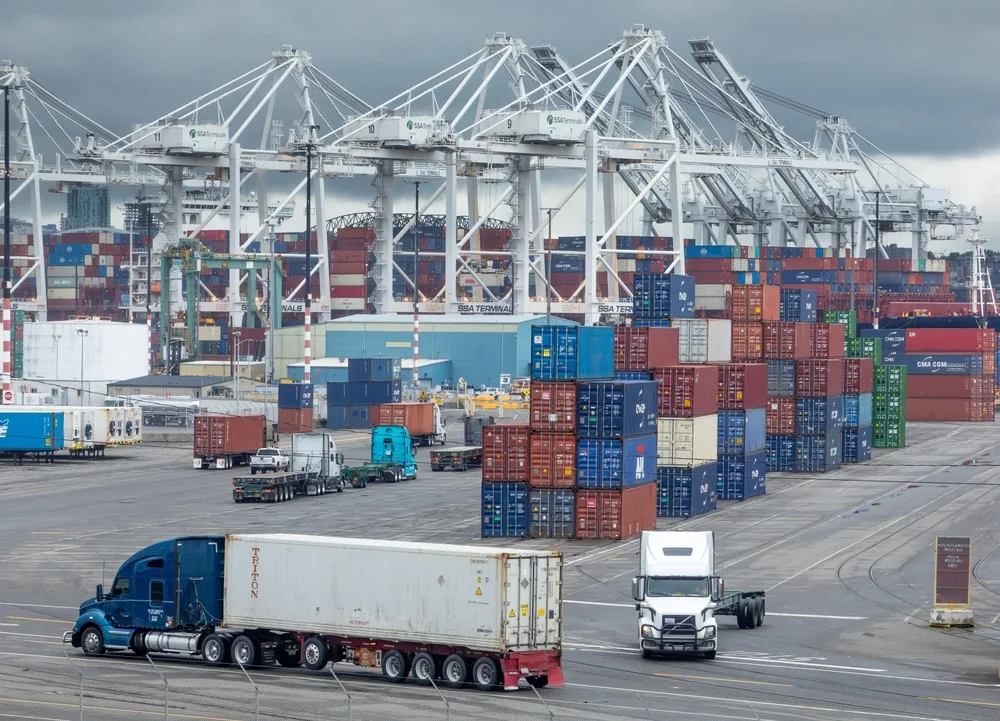
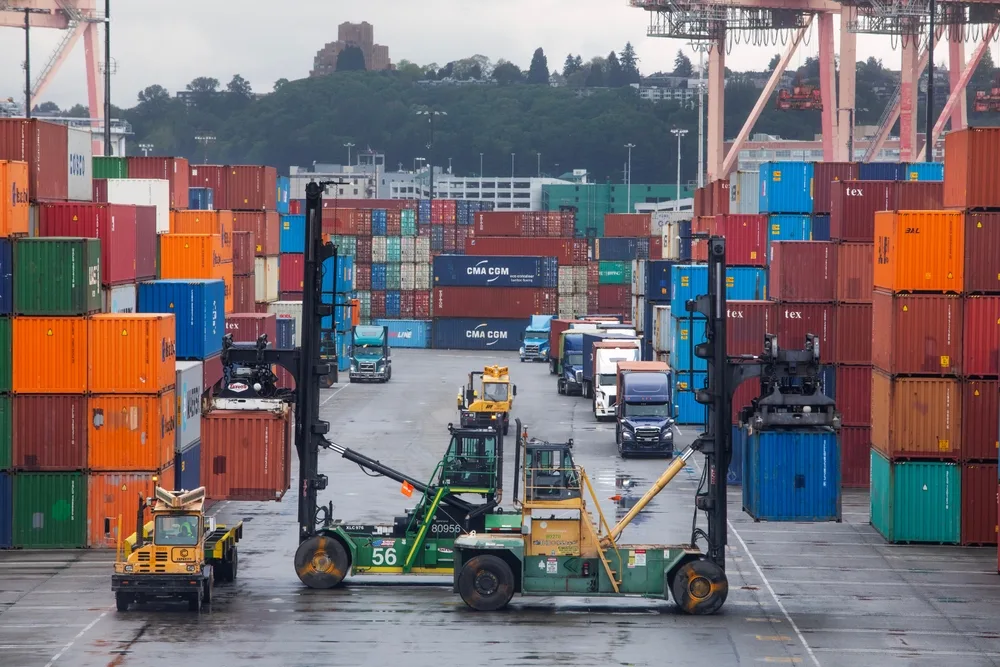
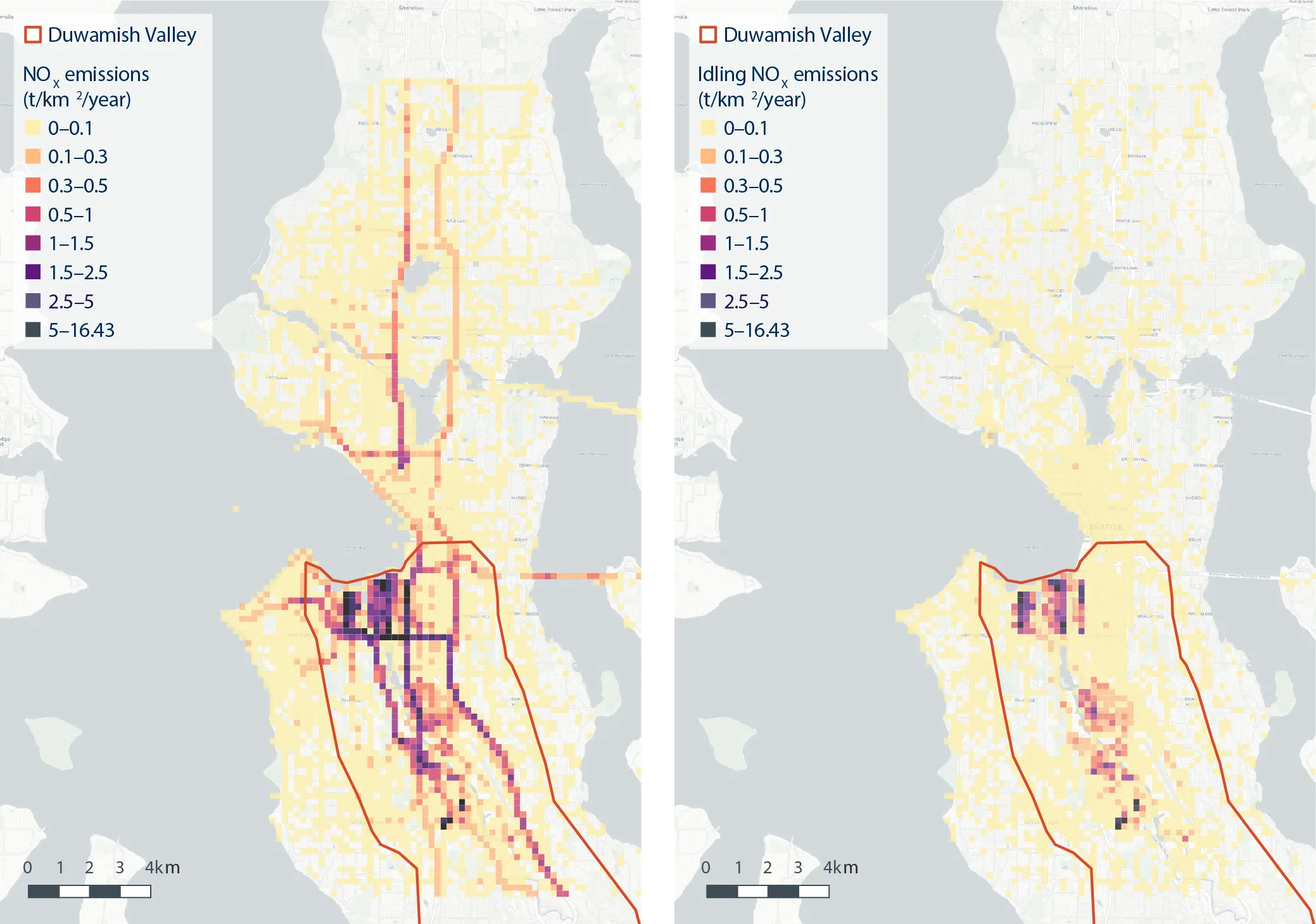
The Port of Seattle is one of the busiest container ports in the western United States, with 4,000 heavy-duty diesel-powered trucks making frequent trips between the port and inland destinations. The study found that the majority of these cargo operations—and associated air pollution—is concentrated in neighborhoods within the Duwamish Valley, disproportionately exposing communities of color to high levels of NOx.
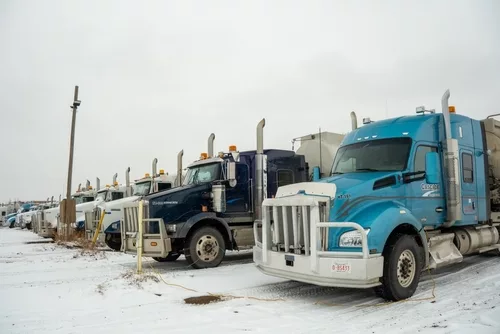
In neighborhoods such as Georgetown and South Park, idling of these vehicles contributes as much as 55% of total NOx emissions (compared with 32% city-wide).Prolonged exposure to these pollutants has been linked to cardiovascular disease, reduced life expectancy, increased rates of disability, and asthma-related emergency room visits. In these emission hotspots, overall premature mortality rates were 50% higher than in areas with no idling emissions.
Other key findings from the report includes:
- Policy by the Northwest Seaport Alliance requiring all drayage trucks to be model year (MY) 2007 or higher effectively reduced PM emissions by 89% (compared with 2005 levels), but NOx emissions remain high.
- Trucks of MY 2010 and older (22% of the fleet) produced 48% of NOx emissions.
- Based on analysis at the census-block level, people of color experienced 33% higher levels of NOx emissions from idling than non-Latino white residents.
Based on these findings, two complementary approaches are recommended to address high drayage emissions and their impacts:
- Transition to zero-emission trucks to reduce overall emissions. Manufacturer incentive programs, rebate programs, and alternative financing models (such as leasing and trucking-as-a-service) could accelerate the adoption of zero-emission trucks.
- Implement targeted interventions to reduce drayage truck emissions in overburdened neighborhoods. Anti-idling legislation, technology upgrades in trucks, and targeted outreach and education to truck drivers on the impact of emissions could significantly improve local air quality.
Duwamish River Community Coalition, Northwest Seaport Alliance, Seattle City Light, City of Seattle
TRUE North American Database (Colorado & Virginia); RFID data shared by the Northwest Seaport Alliance (2021-2022)