South Seattle communities of color disproportionately exposed to harmful freight truck emissions
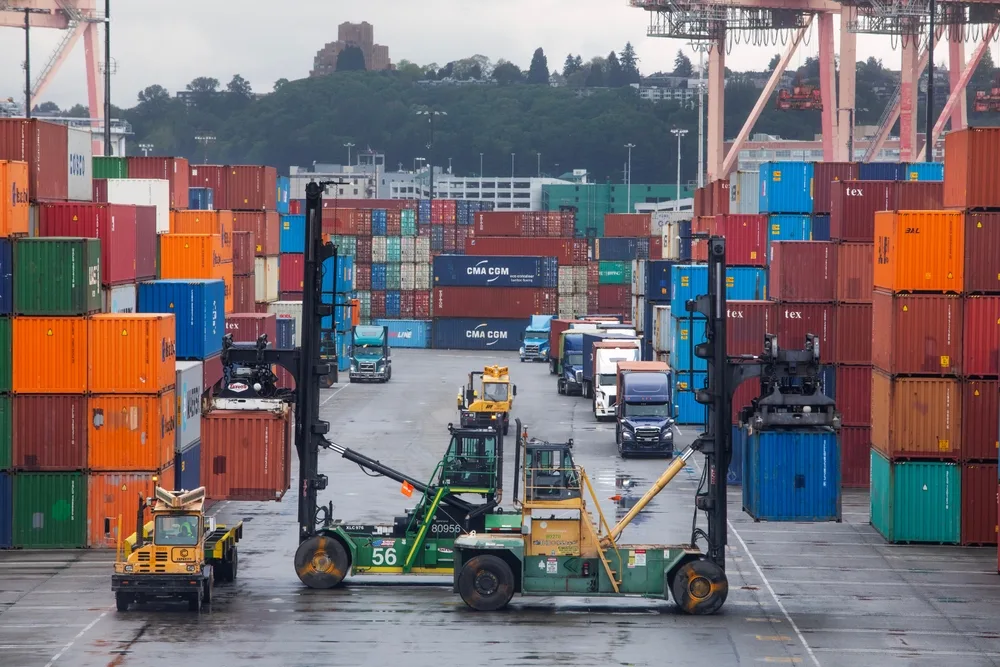
(Seattle, United States) January 29, 2026 — Freight truck emissions from the Port of Seattle and other regional ports are having a disproportionate impact on air and health in communities of color in the South Seattle area, warns a new report from The Real Urban Emissions (TRUE) Initiative.
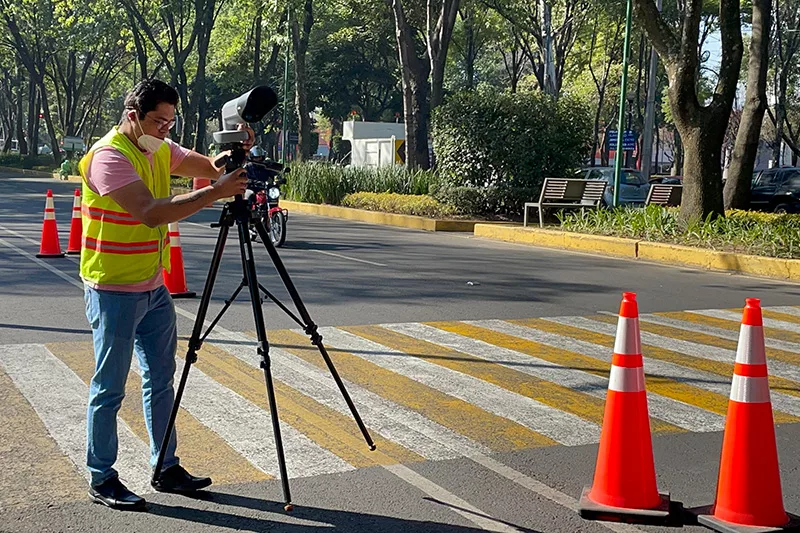
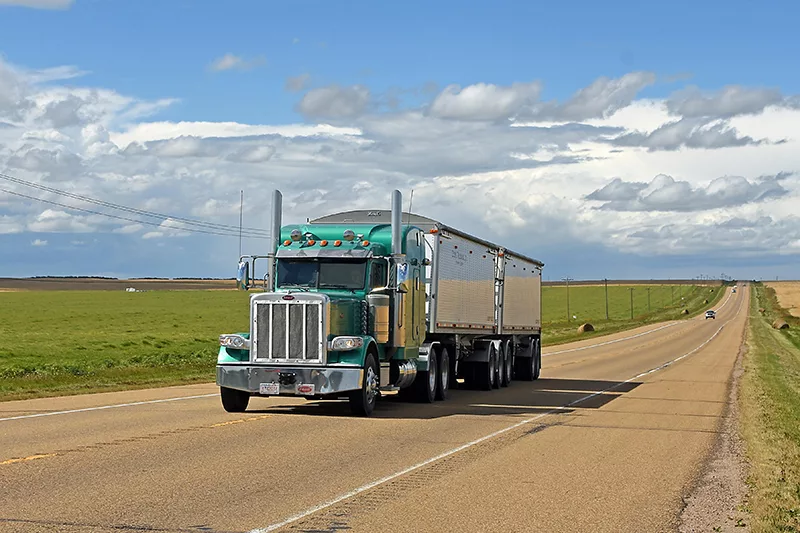
The study, conducted in partnership with the Duwamish River Community Coalition (DRCC), looked at the behaviors and impact of drayage truck—which are heavy-duty, diesel freight trucks typically used to transport shipping containers to and from ports—on air quality. It addresses, for the first time, the gap in spatial analysis of drayage truck emissions and their impact on communities in the Duwamish Valley, an area already affected by multiple health inequities.
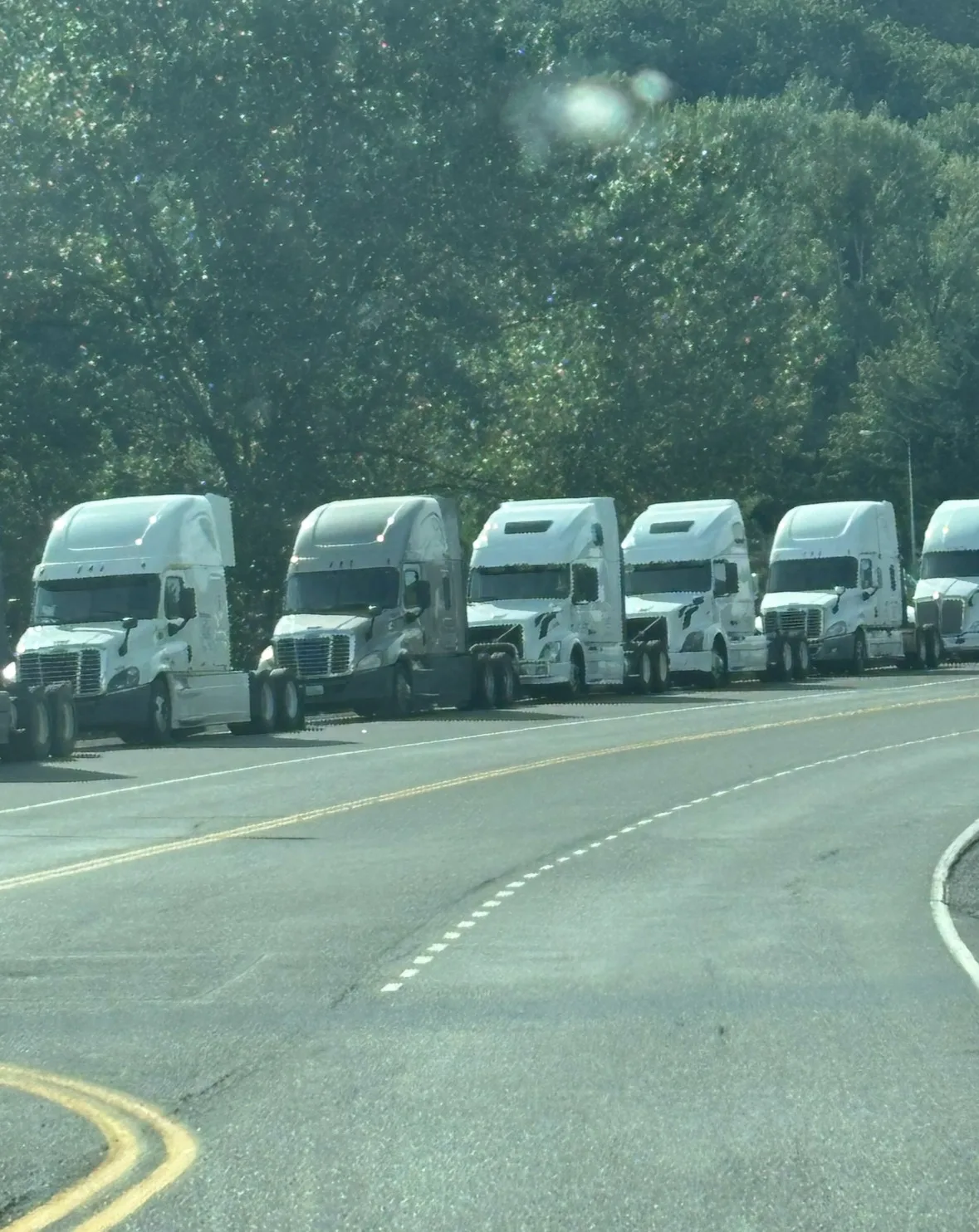
Analysis by TRUE partner, the International Council on Clean Transportation, found that the majority of Seattle’s drayage truck operations are concentrated in the Duwamish Valley, disproportionately exposing communities of color to high levels of NOx.
In neighborhoods such as Georgetown and South Park, idling of these vehicles contributes as much as 55% of total NOx emissions (compared to 32% city-wide). Prolonged exposure to NOx contributes to cardiovascular disease, rates of disability, and asthma, and, ultimately, reduced life expectancies for many people. In these emission hotspots, overall premature mortality rates were 50% higher than in areas with no idling emissions.
Other key findings from the report include:
- A policy by the Northwest Seaport Alliance requiring all drayage trucks to be model year (MY) 2007 or higher effectively reduced PM emissions, but NOx emissions remain high.
- Trucks of MY 2010 and older (22% of the fleet) produced 48% of NOx emissions.
- Based on geographic analysis, people of color experienced 33% higher levels of NOx emissions from idling than non-Latino white residents.
The report recommends a series of policies at the local and state level to address drayage truck emissions, critical to reduce the environmental justice disparities demonstrated in the Duwamish Valley while also advancing regional air quality and climate goals.
In the short-term, policy solutions to reduce freight truck emissions, particularly from idling, include: adoption of anti-idling legislation, currently enacted by 20 other states; technology updates to electrify temperature control, like air conditioning, and targeted outreach and education to shift truck driver behavior.
Ultimately, the report identifies a rapid transition to zero-emission trucks will deliver the greatest air quality improvements. To encourage adoption, policy recommendations include:
- Adapting state-level policies to meet zero-emission truck sales targets, such as manufacturer incentive programs.
- Sustaining rebate programs to reduce upfront purchase costs and supporting alternative financing models, including leasing and trucking-as-a-service.
- Building a coordinated regional charging infrastructure strategy to implement grid upgrades
Paulina Lopez, Executive Director of the DRCC, said: “The findings of this TRUE report have confirmed what we already suspected, that our communities are overburdened by excess pollution coming from drayage trucks operating in the Duwamish Valley,” said “It’s imperative we use this data to make informed policy decisions, particularly on the dangers of idling, and prevent unnecessary illness, especially among our children.”
Lylianna Allala, Acting Director of Seattle’s Office of Sustainability & Environment, said: “Diesel drayage trucks contribute significantly to air pollution and harms community health. The City of Seattle has been pursuing an equity-centered approach with local and regional partners to ensure truck drivers, who are critical to our region’s supply chain, can more easily access electric drayage trucks and help all to benefit from cleaner air, quieter streets, and healthier neighborhoods.”
David Logsdon, Director of Electrification and Strategic Technology at Seattle City Light, said: “Electrifying freight and commercial fleets will require coordinated planning—from charging infrastructure to grid upgrades. Seattle City Light is proud to partner with community and regional organizations to make this transition reliable and scalable, while reducing diesel pollution and improving air quality and health outcomes where it’s needed most.”
Sheila Watson, Deputy Director of the FIA Foundation, said: “Air pollution is a heavy and uneven burden for marginalized communities to bear. This novel research shows that the region’s economic powerhouse – shipping and freight – is causing significant, life-long and unintended health impacts on some of its poorest communities. This makes the case for immediate behavioral and policy changes and longer-term shifts to zero-emission vehicles, but for the people of the Duwamish Valley, these changes cannot come fast enough.”
Background: DRCC is playing a critical role in Seattle’s mayoral transition team, advising on issues related to transportation and the environment. Throughout Mayor Katie Wilson’s first 100 days, transition team members have been asked to provide information and advice to help shape the mayor’s priorities and agenda. Issues related to air quality and freight emissions have been raised by DRCC as a critical threat to many of Seattle’s residents.
About The Real Urban Emissions Initiative
The Real Urban Emissions (TRUE) Initiative supports cities worldwide to develop effective air quality and climate policies with independent real-world vehicle emissions data, technical analysis, and expert advice. The FIA Foundation and International Council on Clean Transportation established the TRUE Initiative.
Website | LinkedIn
About the International Council on Clean Transportation
The International Council on Clean Transportation (ICCT) is an independent research organization providing first-rate, unbiased research and technical and scientific analysis to environmental regulators. Our mission is to improve the environmental performance and energy efficiency of road, marine, and air transportation, in order to benefit public health and mitigate climate change. Founded in 2001, we are a nonprofit organization working under grants and contracts from private foundations and public institutions.
Website | Bluesky | LinkedIn | YouTube
About the FIA Foundation
The FIA Foundation is an independent UK registered charity which supports an international programme of activities promoting safe roads, clean air and climate action.
FIA Foundation | LinkedIn | YouTube