Seattle announces ‘Low-Pollution Neighborhoods’ following TRUE research
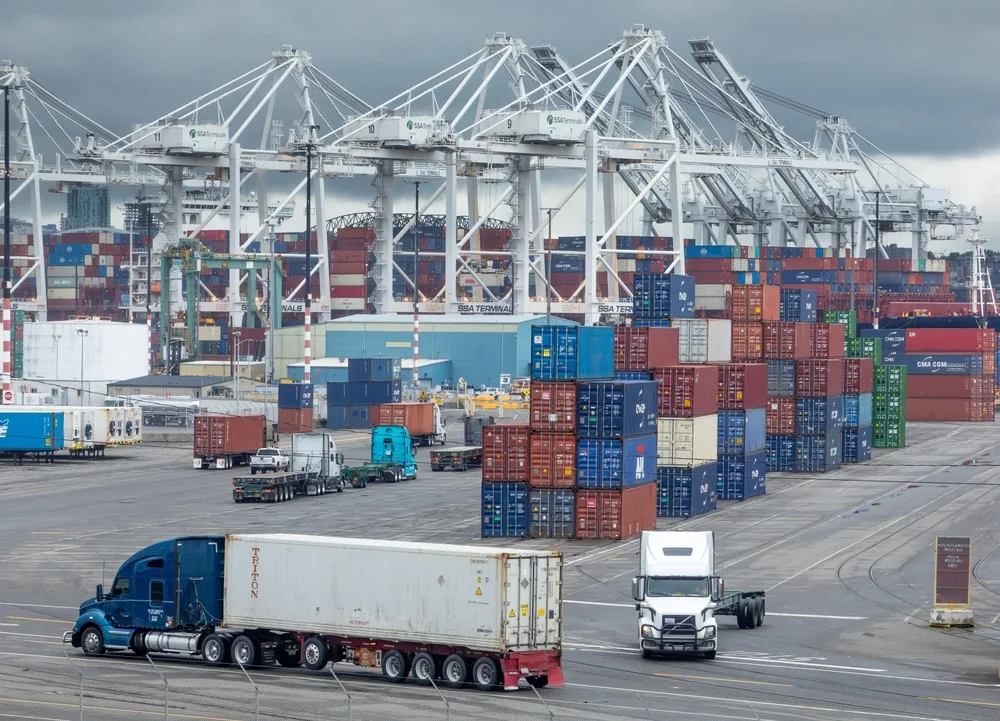
The city of Seattle in the United States has launched the first phase of its Low-Pollution Neighborhoods (LPN) program to address air quality and climate challenges in overburdened regions, a move supported by recent TRUE research.
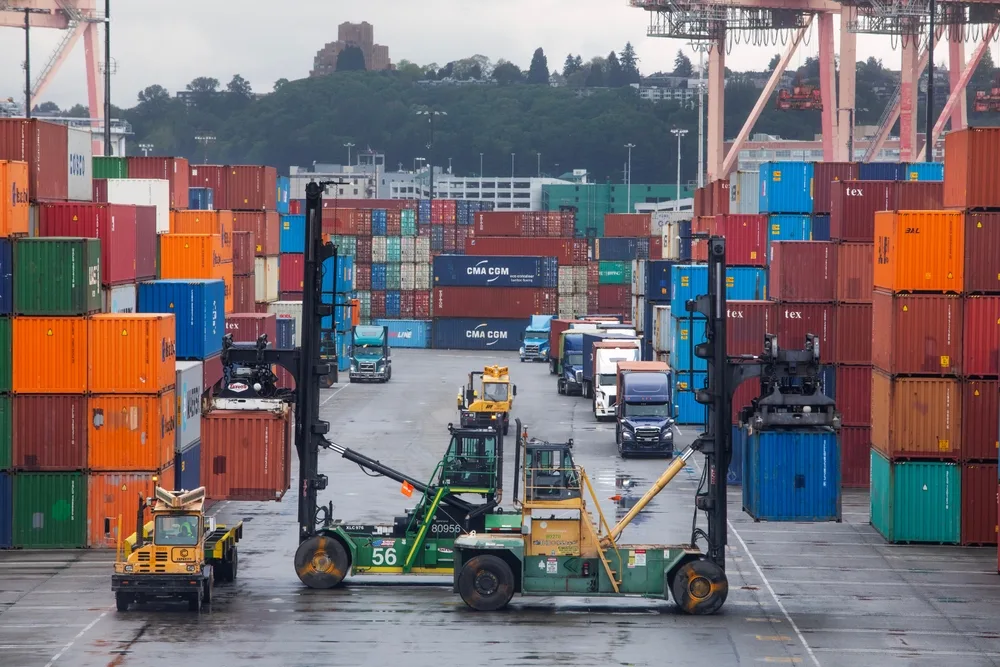
The pilot locations for the new LPN program include the Duwamish Valley neighborhoods of South Park and Georgetown, identified within the TRUE report as emission hotspots facing some of Seattle’s highest environmental health burdens. Air quality here is impacted by industrial activity, freight movement, and proximity to major transportation corridors.
TRUE’s analysis in the Duwamish Valley showed the impact of port-related freight emissions, identifying that idling of these trucks contributes as much as 55% of total NOX emissions (compared to 32% city-wide). Prolonged exposure can contribute to respiratory disease, cardiovascular disease, reduced life expectancy, and asthma-related emergency room visits. In these emission hotspots, overall premature mortality rates were 50% higher than in areas with less idling emissions.
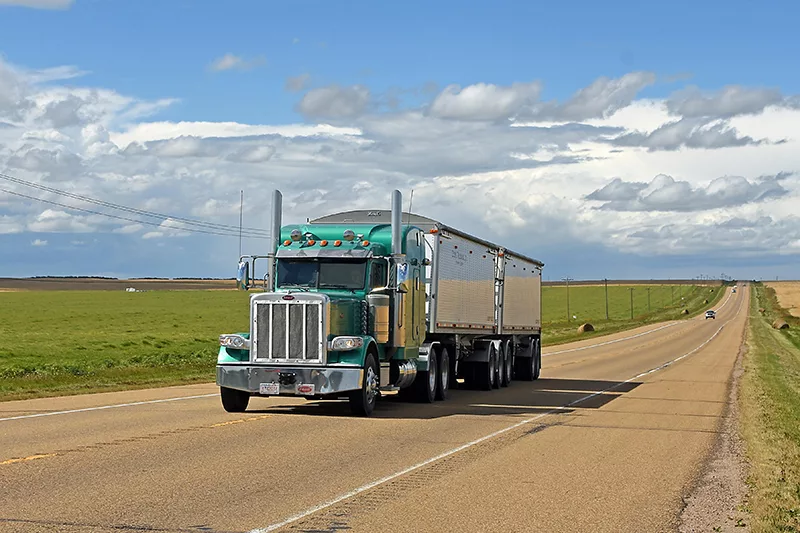
The report also found that people of color were exposed to 33% higher levels of NOX emissions than non-Latino white residents. Trucks of model year (MY) 2010 and older (22% of the fleet) produced nearly half of all NOX emissions, meaning a small portion of the fleet is disproportionately contributing to pollution. Policy by the Northwest Seaport Alliance (NWSA) requiring all drayage trucks to be MY 2007 or higher was shown to effectively reduce particulate matter emissions by 89% (compared to 2005 levels), but NOX emissions remain high.
This new city program complements the NWSA policy and also supports Seattle’s broader climate and transportation goals, including the Climate Action Plan, the Seattle Transportation Plan, Vision Zero, and the City’s transportation electrification efforts. Seattle has committed to exploring strategies that support cleaner freight and delivery systems.
Most importantly, the city aims to coordinate its approach during this pilot phase, ensuring that community stakeholders participate in shared learning and remain invested in future outcomes. The Duwamish River Community Coalition, which was TRUE’s main partner on this project, continue to contribute to the process.
Sheila Watson, Deputy Director of the FIA Foundation, said: “The TRUE research in the Duwamish Valley highlighted the importance of addressing air pollution from freight. We also listed actions that could have a significant impact to address these issues. We encourage the city authorities to consider these ideas further now that they have highlighted the Duwamish River Community as one of the most polluted and dangerous areas in Seattle.”