POLIS conference highlights role of real-world data in developing the Warsaw LEZ
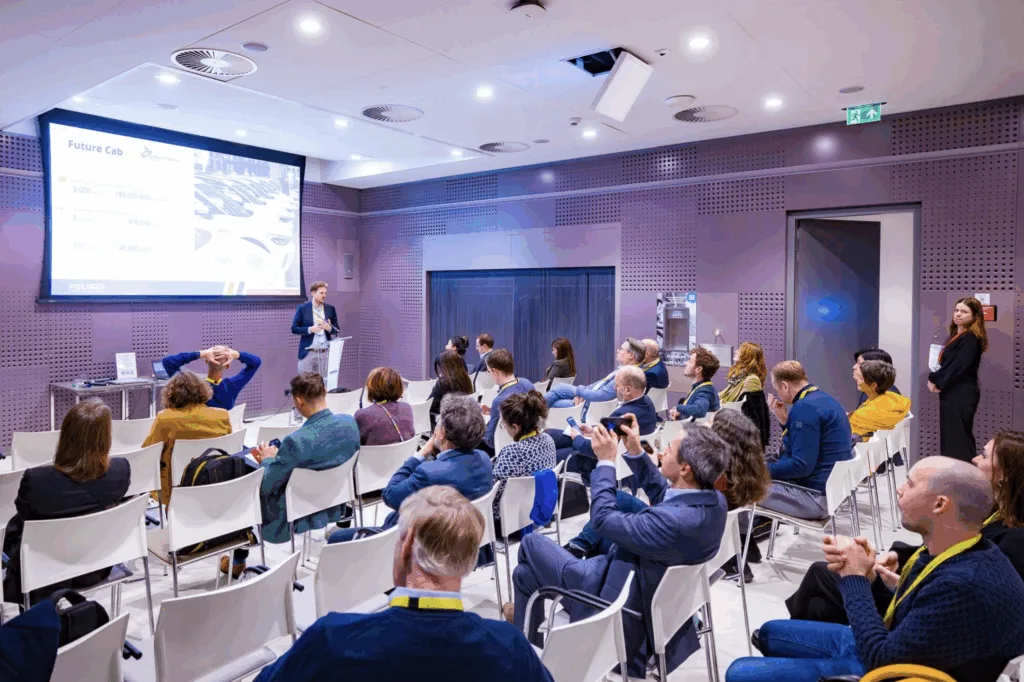
This year’s annual POLIS Conference took place in Utrecht, Netherlands late last month, bringing together policymakers from European cities and regions, research communities, and industry for dialogues about the sustainable and innovative mobility agenda.
The success of Warsaw’s low-emission zone (LEZ), developed after a real-world emissions testing campaign conducted by the TRUE Initiative in 2022, were presented as a key case study at the event. The work continues to highlight the importance of real-world data in effective policymaking.
Real-world data as a strong evidence base for policymaking
The topic of air quality was featured at the session ‘Cities Clearing the Air: Pathways to Zero-Pollution.’ City policymakers, researchers, and the private sector shared how various policy measures—including demand-driven charging infrastructure deployment and electrification of taxi fleets—have improved air quality in a number of European cities.
Kaylin Lee, researcher with the International Council on Clean Transportation, TRUE’s technical partner, presented Warsaw’s success story, which began implementation of their LEZ design based on TRUE recommendations in July 2024.
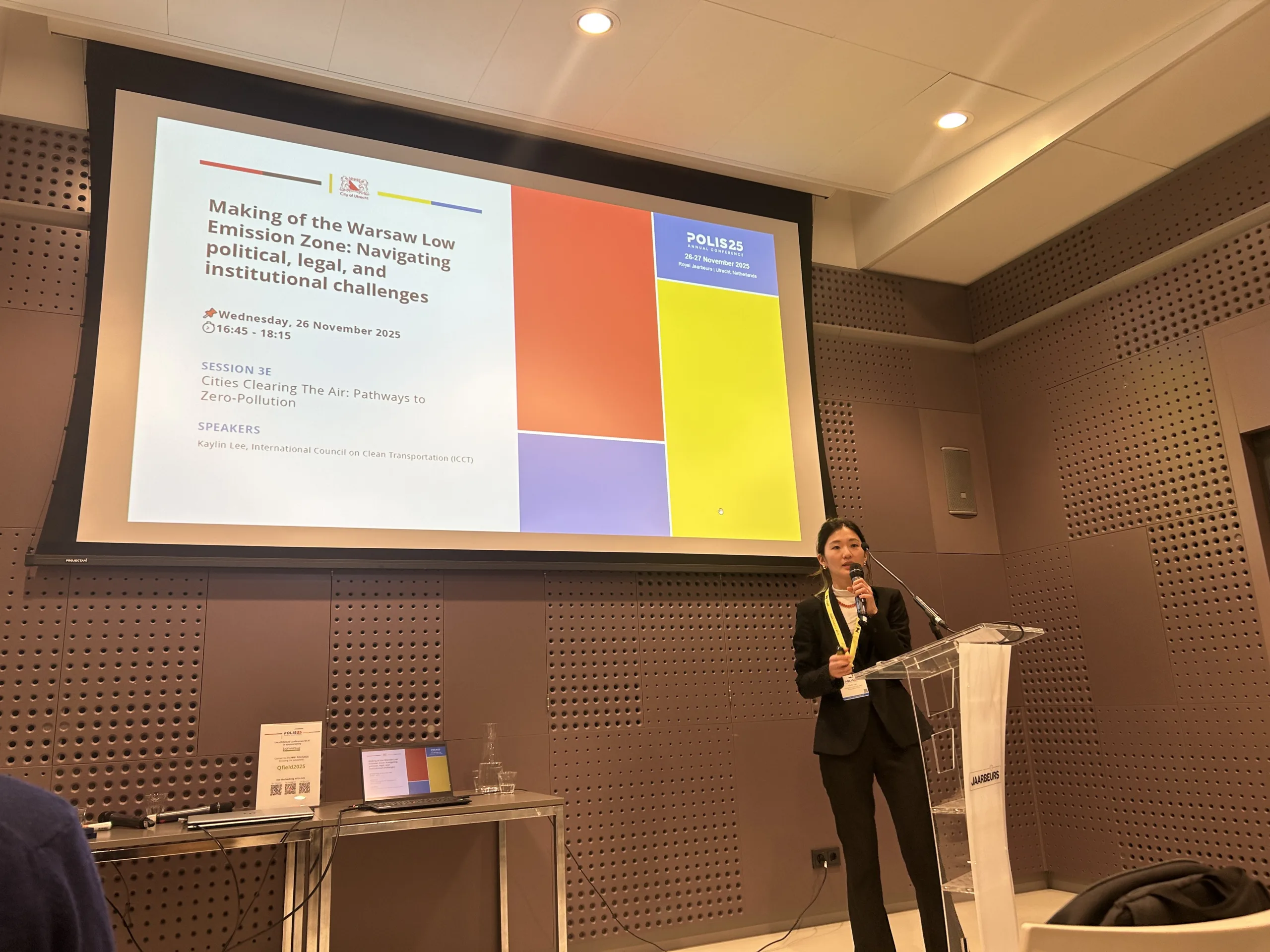
“Data from TRUE’s testing campaign revealed that a large portion of Warsaw’s transport emissions come from a relatively small number of older diesel vehicles, exactly the kind of problem a low-emission zone is designed to fix,” said Kaylin. “Communication of compelling evidence showing the quantifiable emission benefits of an LEZ to the relevant policymakers, and the wider public through collaboration with local partners, was instrumental to political and public buy-in.”
Warsaw is not the only city that has taken a data-driven approach, as other speakers at the event noted. Since 2020, the city of Utrecht, for example, has been using demographic and travel data, to inform charging infrastructure deployment across the city.
Value in stakeholder engagement and policy exchange
During the session, speakers agreed that communication and engagement with a wide range of stakeholders is critical for success. In the case of Warsaw, political resistance and public skepticism threatened the delivery of a clean air zone for the city. The TRUE Initiative worked with advocacy organizations, like Polish Smog Alert, to translate the data into key messages easy for the public to understand, and also collaborated with city policymakers to disseminate the findings.
Other speakers referenced similar collaborations, like Future Cab (Zukunfttaxi), a taxi fleet electrification project in Hamburg, Germany. The project connects stakeholders across the taxi and ride-hailing ecosystem, including drivers, taxi companies, policymakers, and charge point operators, to align political and economic agendas. Also in Stockholm, a new demonstration project aims to create livable urban environments through long-term engagement with various actors.
This session at the POLIS conference (see section 3E) provided the perfect space to share how similar challenges are being addressed across different cities to learn from other’s real-world experiences.
Need for iterative policymaking
During the session, the importance of legislative calibration and continuous monitoring and evaluation for successful LEZ implementation was also stressed. Evaluation of the policy’s effectiveness and continuous monitoring for adjustment are also critical to ensure an LEZ brings about the expected benefits.
“Although the LEZ legal framework outlined in Poland’s E-Mobility Act laid the ground in Warsaw, further legislative work has to be done to ensure full implementation capacity,” adds Kaylin. “From 2028, Warsaw residents won’t be exempt from the LEZ thanks to an amendment to maximize emissions benefits, and further changes are being proposed to automate LEZ enforcement.”
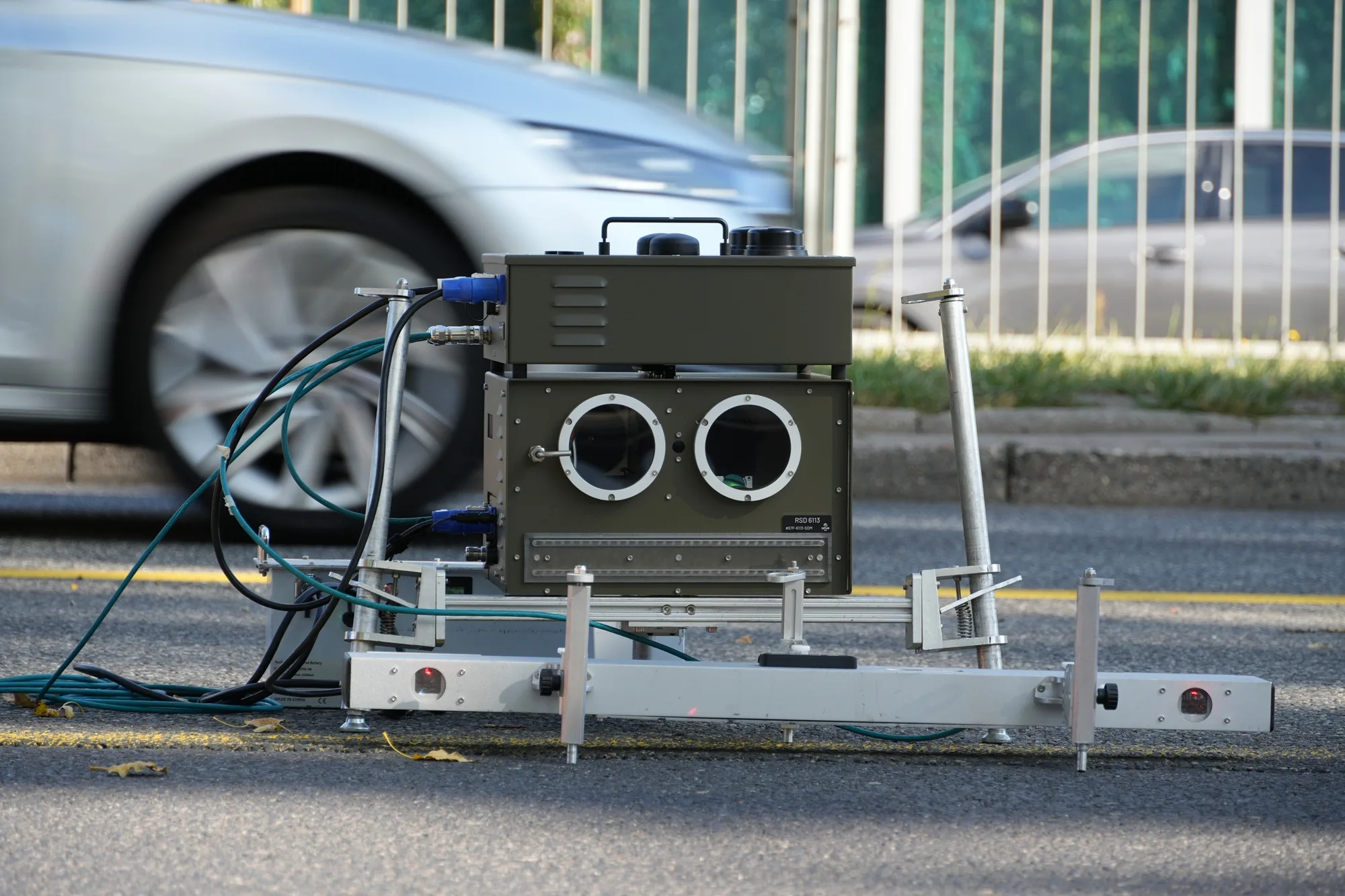
The TRUE Initiative is currently supporting monitoring efforts and working in collaboration with partners in Warsaw to conduct a follow-up remote sensing campaign Kaylin announced. “With this new data, we will be able to quantify actual impacts of the LEZ and provide recommendations to enhance the LEZ policy”
TRUE’s ongoing partnership with the city of Warsaw highlights how continuous collaboration can assist in navigating legislative challenges, implementing robust policy, and inspire other European cities to follow in their footsteps.