Vehicle pollution cuts one life short every 45 seconds, according to new study supported by TRUE data
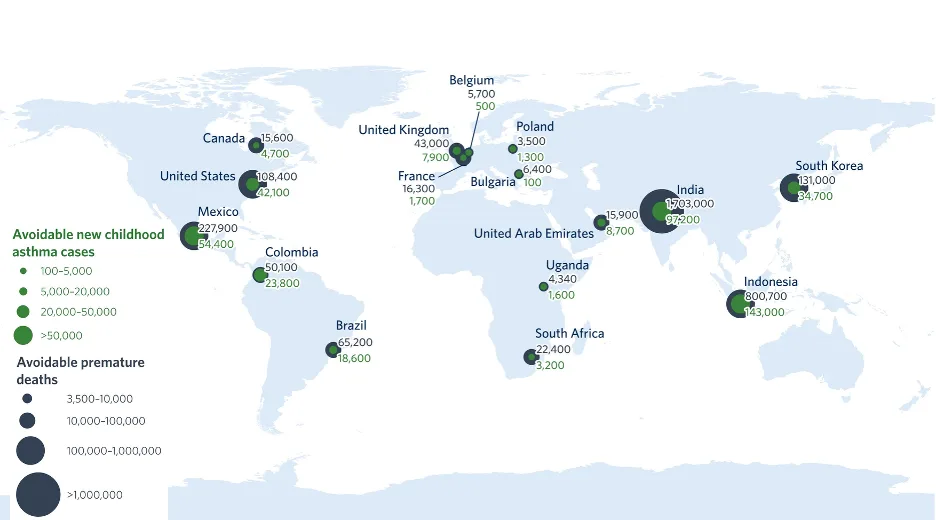
Emissions from road transport led to the equivalent of one premature death every 45 seconds in 2024, but ambitious vehicle electrification could prevent 8.8 million premature deaths globally between now and 2050.
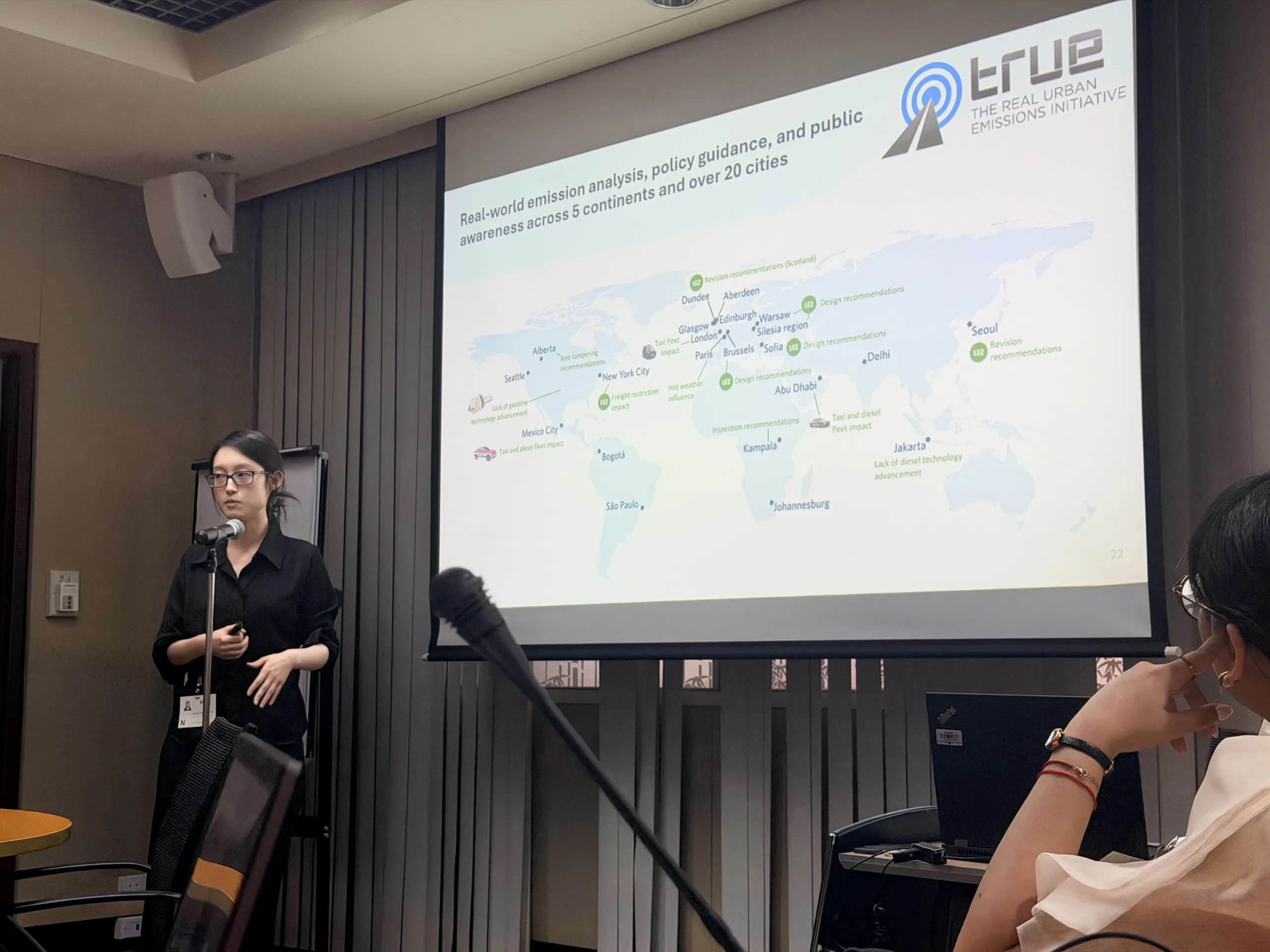
Over 85 million real-world vehicle emission measurements collected by TRUE’s city testing campaigns were incorporated into the latest edition of a global health study from the International Council on Clean Transportation (ICCT) for the first time to more effectively model regional air pollution from road transportation.
Measurements from Brazil, Colombia, Europe, India, Indonesia, Mexico, the United States, and Uganda helped researchers align emission factors with in-use performance, capturing the effects of deterioration, malfunctions, and variations in driving conditions.
The study found that in 2024, air pollution from road transportation was responsible for the equivalent of one death every 45 seconds and one new childhood asthma case every 2 minutes. Under current policies, road transportation-attributable premature deaths are projected to increase by 74% globally by 2050 to the equivalent of one death every 26 seconds.
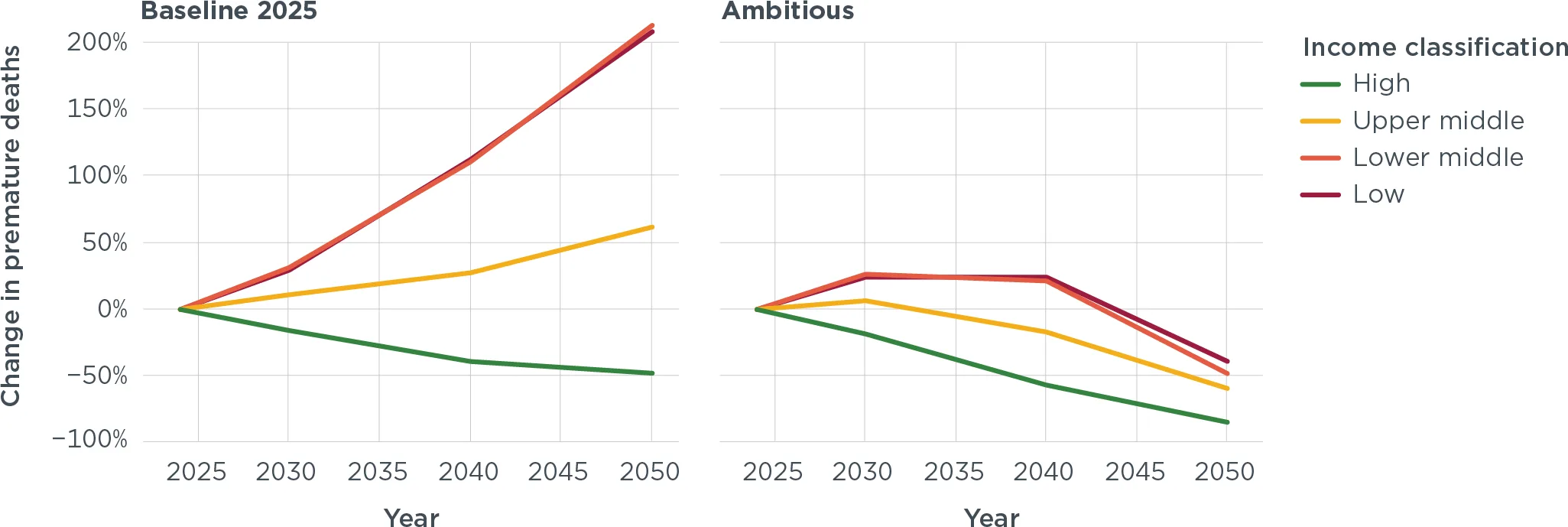
Advanced electrification policies, often cited as a key recommendation in TRUE real-world studies and identified within this global health report, would reverse the trend of growing health impacts. With ambitious vehicle electrification, premature deaths could instead decrease by 63% and new childhood asthma cases could decrease by 80% between now and 2050.
New research on NO2 hot spots in cities
This analysis marks the first ICCT global health study that models premature deaths from nitrogen dioxide (NO2) exposure, reflecting a growing body of evidence on the substantial adverse health impacts of the pollutant.
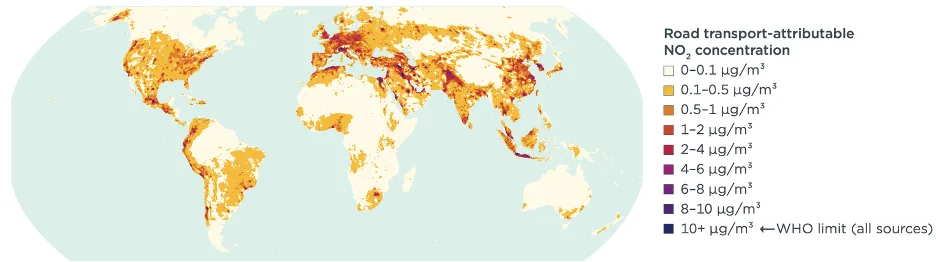
The study found that exposure to NO2 from road transport was responsible for one new childhood asthma case every two minutes and approximately 257,000 premature deaths in 2024. NO2 accounted for 37% of road transport-attributable premature deaths, positioning the pollutant as a key focus for reducing transport-related health impacts.
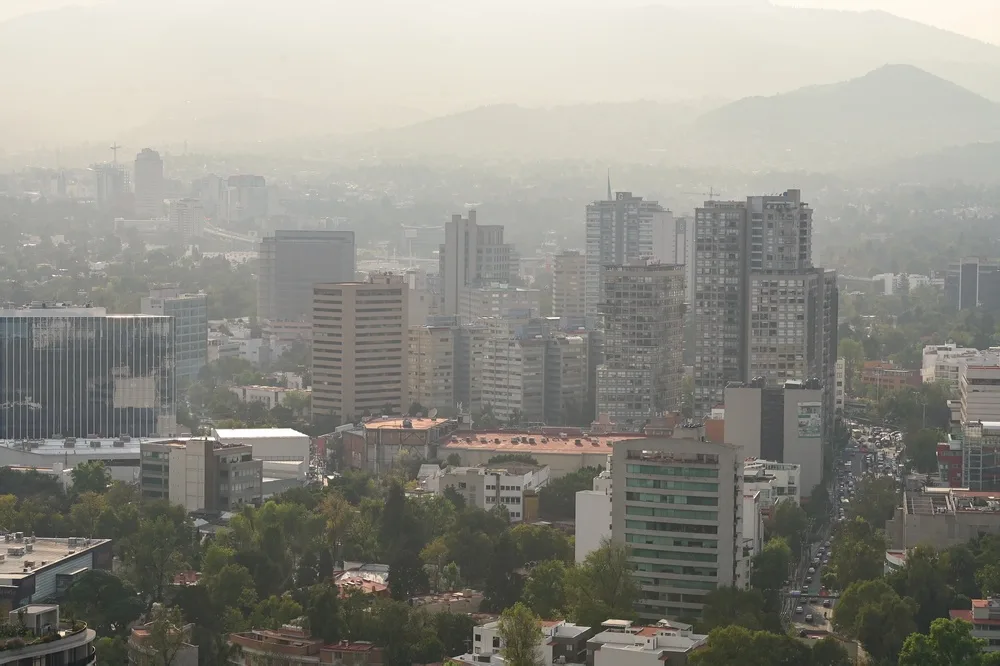
NO2 concentrations were highly localized, particularly in urban areas with dense population and heavy traffic. Among TRUE cities, Mexico City and Jakarta contained transport-attributable NO2 hotspots as high as 44 mg/m3 of NO2, over four times the World Health Organization (WHO) limit of 10 mg/m3. Several others, including Bogotá, Delhi, São Paulo, and Seoul, also contained hot spots of road transport-attributable NO2 above this limit.
TRUE’s latest study in Johannesburg, which found higher transport-related pollution levels in the city’s densely populated southern region, demonstrates how real-world data can provide key information for cities to address air pollution hot spots.
Heavy-duty vehicles have an outsized impact
Heavy-duty vehicles are another important focus in the study, as they accounted for 60% of total tailpipe NOX emissions despite accounting for only 5% of the global vehicle fleet. TRUE studies in several regions confirm this trend— real-world NOX emissions from diesel heavy-duty vehicles exceeded laboratory limits in Alberta, Bogotá, and Scotland.
In cities where diesel vehicles account for a large portion of transport tailpipe emissions, real-world data identifying these gaps help to develop effective policy solutions. The TRUE Initiative has identified several strategies to reduce these emissions: transitioning to zero-emission trucks and buses, implementing or improving inspection and maintenance programs to address the highest-emitting trucks, and introducing new vehicle emission standards coupled with enforcement and market surveillance.
Closing the global health equity gap
Under current policies, health impacts from vehicle-related pollution in emerging market countries are projected to soar, deepening global health inequities. While high-income countries (based on World Bank classifications) are projected to see a 48% decline in premature deaths from road transport by 2050, low- and lower-middle income countries are projected to experience increases of more than 200%. Faster vehicle activity growth in these regions, coupled with weaker emission standards and higher-sulfur fuels, are likely culprits for this increase.
TRUE’s research reflects these inequalities. Previous TRUE studies in Johannesburg and Kampala found that ageing minibus taxis, essential public transport for working -class citizens, were among the highest-emitters, at levels consistent with deteriorating or malfunctioning emissions control systems.
This research points to the value of focusing electrification efforts in regions most impacted by rapidly growing fleets and lagging vehicle emission controls policies. In a scenario in which all new vehicle sales globally are zero emission by 2045, countries from all income groups are projected to experience 39% or greater reductions in premature deaths by 2050.
Electrification of a city’s vehicle fleet is a key recommendation cited in many TRUE analyses to improve air quality and public health. From taxi electrification in Mexico City and Abu Dhabi, to electric minibus adoption in Kampala and Johannesburg, focusing on high-mileage vehicles would lead to disproportionate emission reduction benefits.
By addressing the gaps in real-world vehicle emissions data, TRUE is continuing to support the development of effective, region-specific strategies to reduce in-use vehicle emissions, transition to electric, and ultimately improve air quality and health outcomes for cities around the world.