Traffic noise pollution is the latest threat to cities worldwide
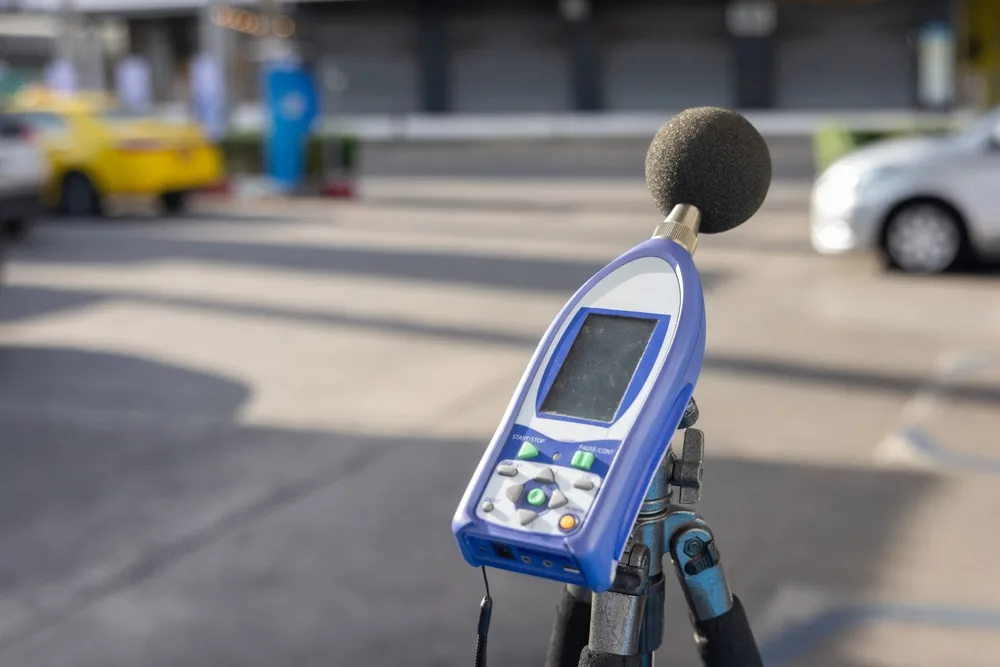
Explainer: Noise pollution
Noise pollution is excessive, unwanted sound that adversely impacts human health and wildlife, commonly caused by transportation, construction, and industry in urban areas.
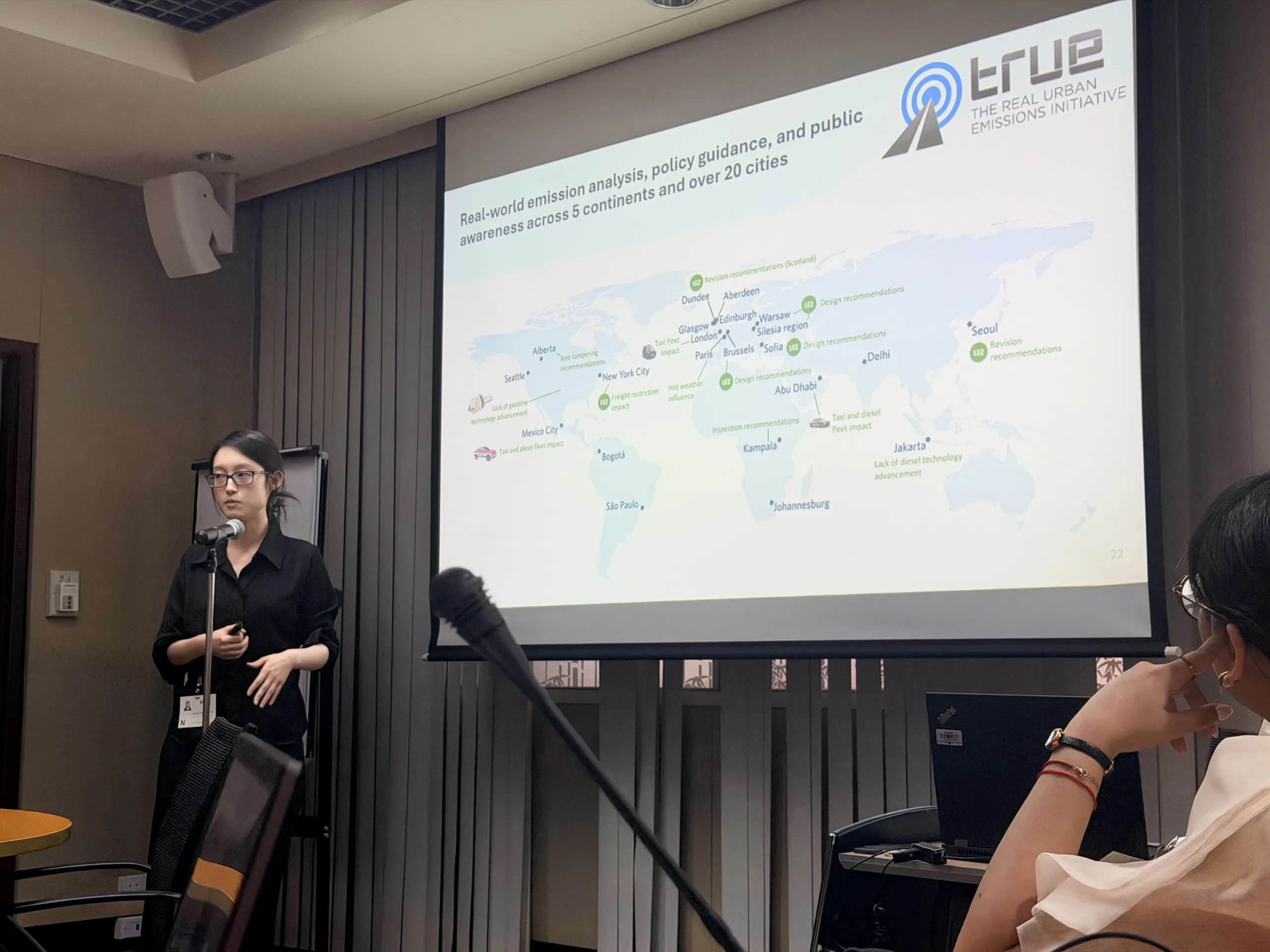
As the body of research surrounding the impact of vehicle noise grows, trends are emerging that mirror the “laboratory versus real-world” data discrepancy uncovered in the Dieselgate scandal for vehicle pollutant emissions. As an expert in this regulatory gap, the TRUE Initiative is uniquely positioned to add context to the debate.
Current discussions at the United Nations Economic Commission for Europe (UNECE) aimed at improving vehicle noise regulations has brought renewed attention on the harmful impact of urban noise pollution, particularly from road traffic.
Noise’s impact on overall health
Within cities, transportation is one of the most prevalent sources of noise pollution, with chronic exposure contributing to an estimated 66,000 premature deaths annually in Europe. As one of the most important environmental risks in the region, the World Health Organization has recommended specific thresholds to limit long-term exposure.
An increasing number of epidemiological studies have linked road traffic noise with adverse health impacts as well. This includes cardiovascular diseases, metabolic disorders, hearing loss, and adverse impacts on cognitive performance, including reading ability impairment and behavioral difficulties in children. Noise is also an important contributor to other indirect adverse health effects, such as annoyance and sleep disturbances.
The state of noise pollution policy today
These impacts have long been recognized and reflected in regulatory responses at both international and regional levels. The UNECE vehicle type-approval regulations have gradually tightened noise limits over time and broadened the conditions under which the vehicle is tested for type-approval. These regulations, which apply in 68 countries (primarily in Europe but also in Central and Western Asia), establish noise limits at the individual vehicle level.
In the European Union, where nearly one in three citizens are exposed to harmful noise levels, the EU Zero Pollution Action Plan set an objective to reduce exposure to excessive transport noise by 30% by 2030, compared to 2017 levels. Current estimates show that 30% of Europeans are exposed to noise levels that exceed WHO recommendations.
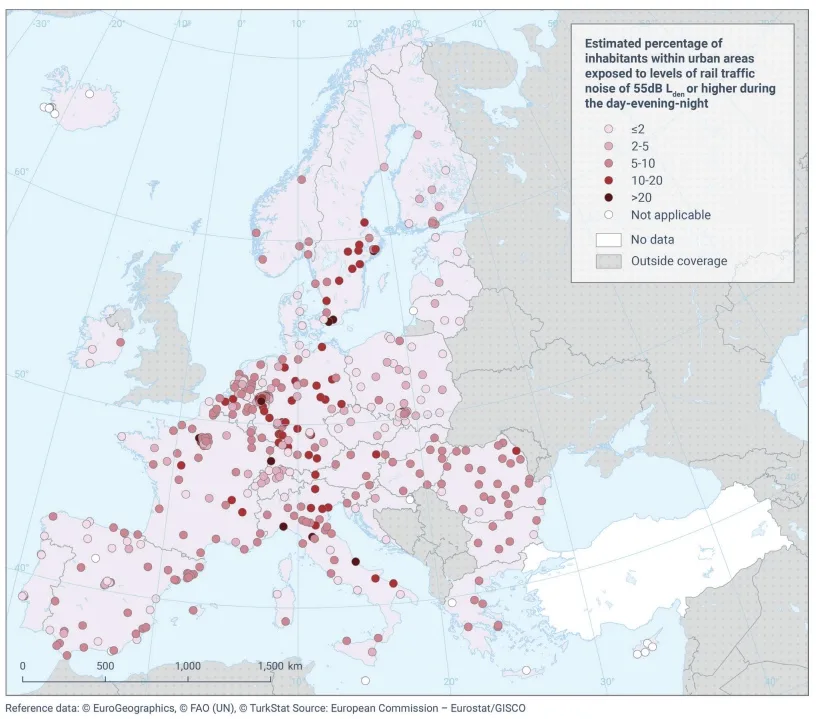
Source: https://www.eea.europa.eu/en/analysis/publications/environmental-noise-in-europe-2025
Does tightening noise control limits work in the real-world?
The tightening of type-approval limits, however, has delivered little improvement in vehicle noise emissions in the real world. In Brussels, a pilot study conducted by Bruxelles Environnement in 2020 alongside the TRUE Initiative’s emission measurement project, and a follow-up noise monitoring campaign in 2023, showed that real-world noise levels have not significantly decreased despite newer vehicles meeting the more stringent type-approval limit. Empirical evidence from Barcelona collected under the NEMO project also showed little improvement in real-world vehicle noise levels over time. This suggests that the current limits do not accurately account for real-world noise events.
UNECE informal working groups are currently developing amendments to type-approval requirements for noise emissions from passenger cars and light commercial vehicles. The Real-Driving Additional Sound Emission Provisions (RD-ASEP), under UN Regulation No. 51 (UNR 51), aims to ensure that vehicle noise under real-driving conditions does not differ significantly from noise levels measured under narrow conditions on a test track.
Researchers from the International Council on Clean Transportation (ICCT), the TRUE Initiative’s technical partner, have been participating in the RD-ASEP discussions. Their recent proposal for establishing a single maximum, or not-to-exceed noise limit, was developed in response to concerns that current draft amendments to the RD-ASEP do not cover the full range of operating conditions encountered in urban driving. In addition, the maximum noise limits in the current draft remain vaguely defined.
Drawing on lessons from vehicle pollutant emission regulation, ICCT’s proposal aims to minimize risks to both human health and the environment, and strives to support enforcement against unreasonably noisy vehicles, including those affected by tampering or malfunction. These discussions are on-going and will continue through 2026.
Noise from electric vehicles?
In parallel to RD-ASEP, amendments to UN Regulation No. 138 (UNR 138), which addresses noise from electric vehicles, are being discussed to harmonize minimum sound requirements for safety with maximum and real-world noise limits. As transitioning to electric vehicles is often a key recommendation cited by the TRUE Initiative to improve air quality, the presence and impact of these vehicles is only increasing.
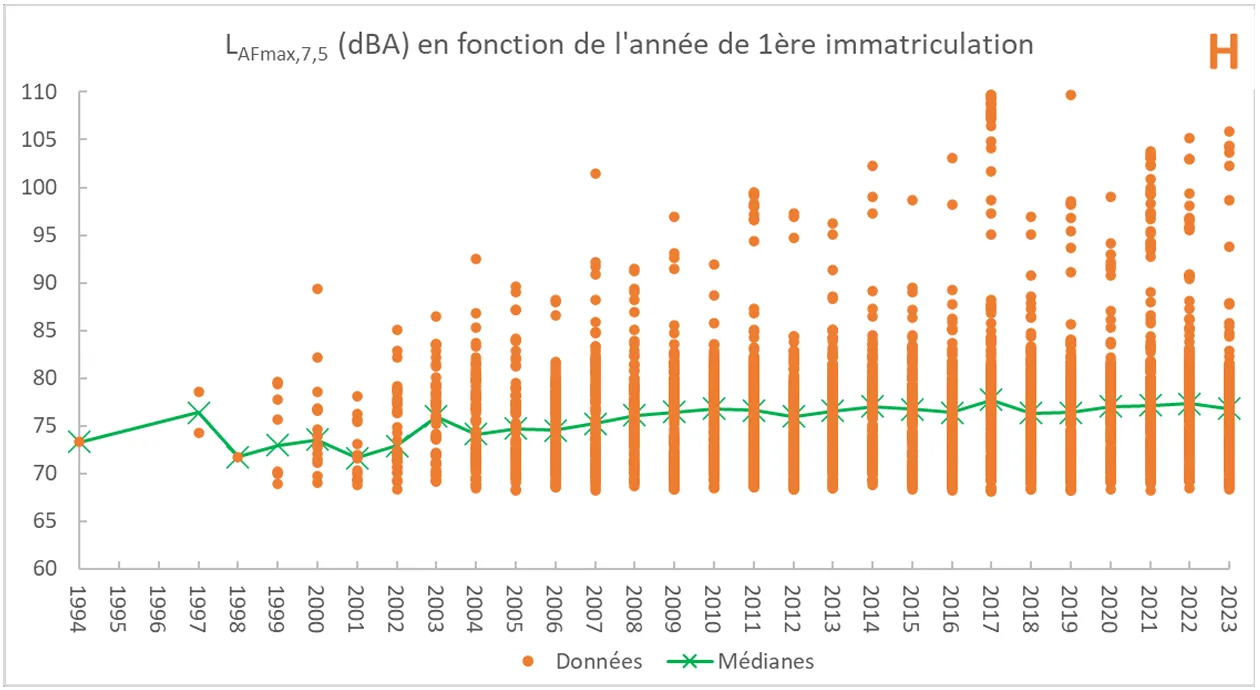
Source: https://www.eea.europa.eu/en/analysis/publications/environmental-noise-in-europe-2025
The controversial debate regarding noise type-approval for electric vehicles (UNR 138) is whether electric vehicles should remain quiet or be permitted to create artificially loud, engine-like sound. Currently, UNR 138 requires electric vehicles to be fitted with an Acoustic Vehicle Alerting System (AVAS) at low speeds to alert pedestrians and vulnerable populations, such as the visually impaired.
However, some manufacturers are pushing for the right to add Exterior Sound Enhancement Systems (EES) as part of marketing and brand emotion strategies. Critics worry that EES would undermine anticipated noise-reducing benefits of growing electric mobility and carry the risk of aggravating health impacts caused by noise. In a recent UNECE meeting in February, proposals were submitted by the International Organization of Motor Vehicle Manufacturers (OICA) about EES requirements for consideration.
Quieter cities are possible in the near term
The current UNECE regulatory discussion on vehicle noise emissions is at a similar turning point to vehicle air pollutant regulations in the 2000s to 2010s. Well-designed amendments to the UNECE noise regulations that would broaden test track conditions to cover real-world driving scenarios and set clear limits have significant potential to reduce real-world noise emissions from new vehicles in the years to come.
In the meantime, cities have the ability to create quieter urban areas alongside technological progress. For example, Lisbon has established 14 quiet zones throughout the city with a plan to add 12 more to protect its residents from exposure to harmful levels of noise. In some French cities, like Paris, Nice, and Toulouse, noise radar systems (noise cameras) have been deployed to identify and fine noisy vehicles. Outside of Europe, several big cities in the United States, such as New York City, Miami, and Los Angeles, are increasingly introducing noise cameras to combat excessive noise from vehicles.
Remote emissions sensing equipment complemented with acoustic instruments, such as a microphone array, have the potential to be an important tool in identifying noisy vehicles and informing policies to reduce road traffic noise, as seen in Amsterdam and Monza, Italy. As concerns about noise pollution continue to grow, integrating real-world noise monitoring with existing remote sensing emission monitoring could be promising for creating quieter and healthier cities.
The TRUE Initiative aims to expand its monitoring efforts to include real-world noise measurements along with pollutant emissions in the future.