TRUE presents at global air quality conferences
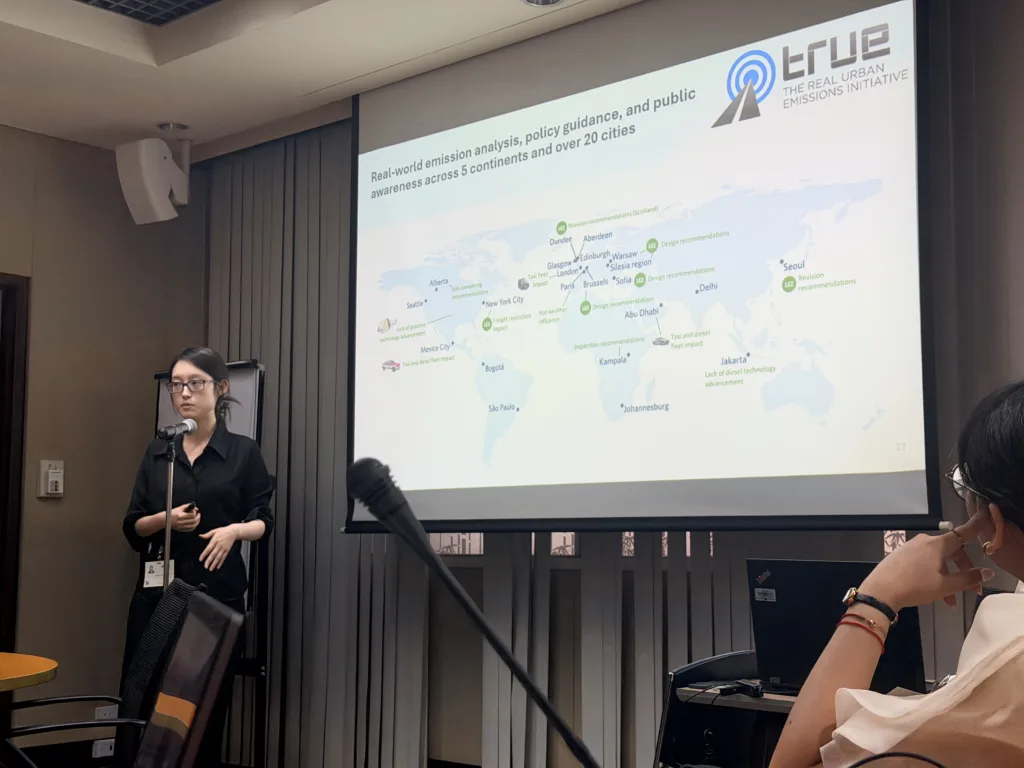
The TRUE Initiative has been active during the first quarter of 2026, sharing data-driven insights at some of the world’s most important clean transport and air quality forums. From California to Bangkok, researchers highlighted cities around the world who have partnered with TRUE to utilize real-world emissions data to shape their urban environments.
Focus on emission standards and remote sensing
In February, researchers joined partners from TRUE’s current ongoing project in Johannesburg, South Africa to discuss the latest evidence on vehicle emissions and clean fuel pathways. The “Clean Transport and Air Quality Dialogue” brought together government officials, fuel industry representatives, manufacturers, and researchers to examine fuel quality policy and emission standards.
Attendees learned that the South African Department of Transport is initiating an internal process to review vehicle emission standards, signaling growing momentum toward tighter heavy-duty vehicle regulations. And while South Africa’s fuel is getting cleaner, particularly with the introduction of Clean Fuels 2 in 2027, vehicle standards still lag behind, creating a mismatch that won’t deliver the expected air quality and health benefits.
Michelle Meyer also presented at the Coordinating Research Council’s “36th Real World Emissions Workshop” in San Diego, California. Attendees discussed emissions monitoring and control measures, and how vehicles actually perform on the road. Most critically, the conference explored the real-world impact of emission-related policies such as inspection programs.
Key themes from the session included the critical need for real-world emissions testing to characterize the effects of new powertrains and emerging alternative fuel on pollutant emissions, a growing attention on ultrafine particles and the need for associated standards, and the impact improved emission standards have had on reducing real-world NOX emissions from heavy-duty vehicles in the United States.
Urban mobility takes center stage
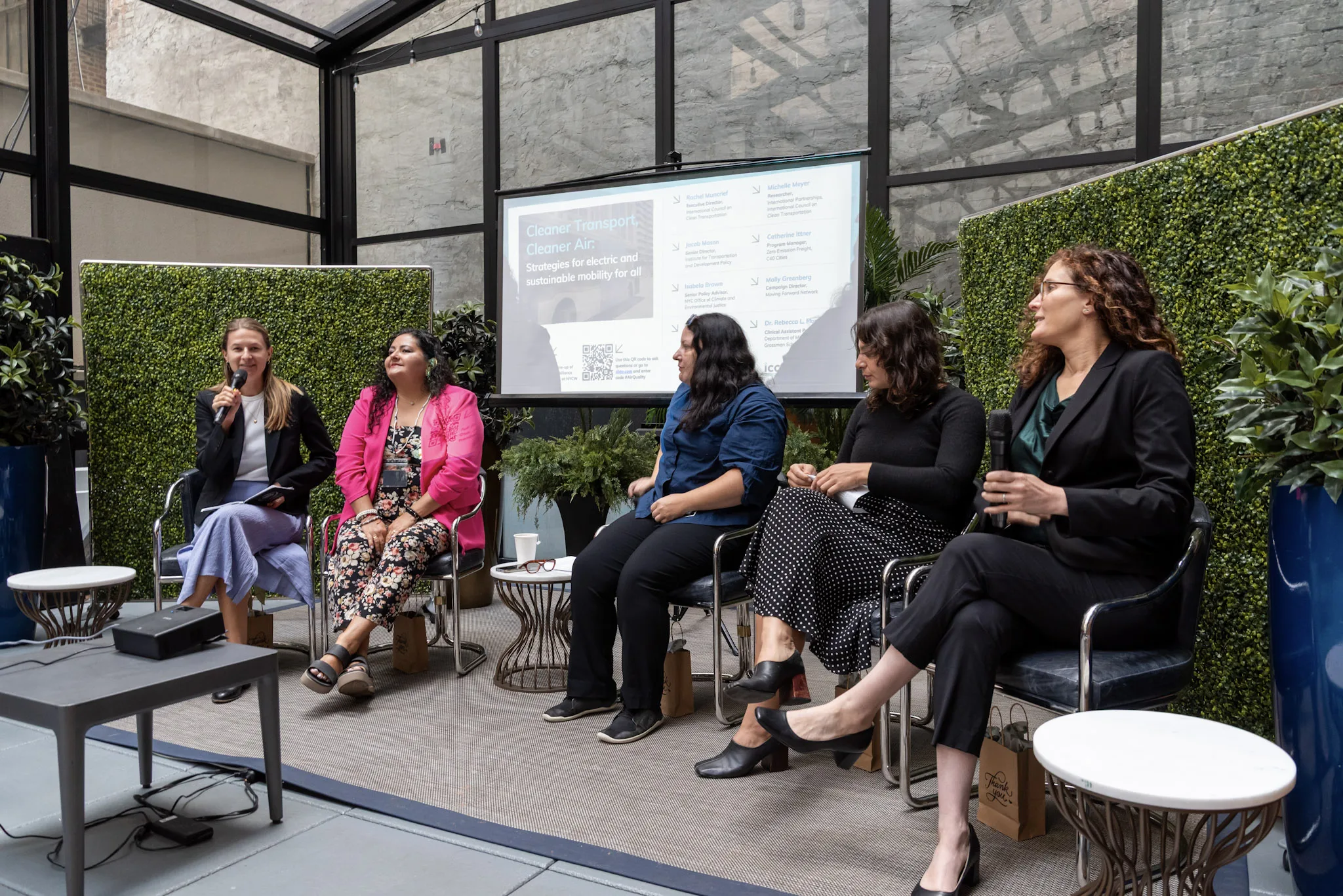
Cities are uniquely positioned to craft localized policies that can directly address air quality problems in high-traffic areas. TRUE researchers explored the policy levers available to local policymakers during a webinar hosted by the Urban Transitions Mission, the first in a four-part series. The session “Pumping the brakes on urban emissions with mobility planning tools” discussed low-emission zones (LEZs), urban vehicle access regulations, and other data-driven strategies to reduce emissions and optimize urban space.
TRUE’s project in Warsaw, Poland was highlighted during the session, where real-world emission data helped the city develop and implement a LEZ scheme and provided robust evidence for building political and public awareness.
Harvard University convened researchers, city planners, and transport finance experts during the “Urban Mobility and Climate Change Conference” to explore how cities, particularly those in emerging markets, can accelerate the shift towards electric vehicles. The discussion centered on the economic, infrastructure, and equity aspects of urban electrification.
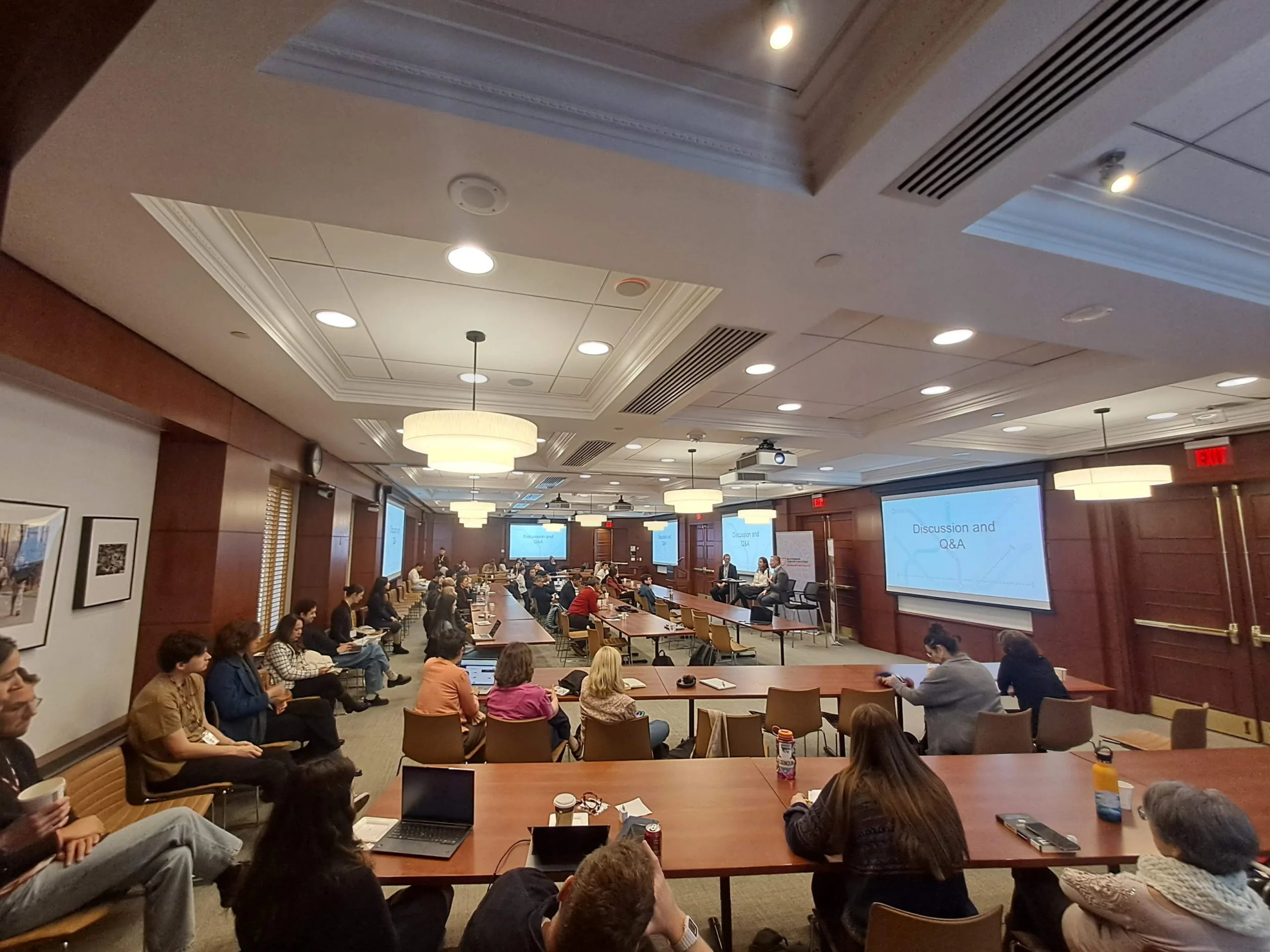
Yoann Bernard, program lead at the International Council on Clean Transportation, TRUE’s technical partner, shared perspectives on the real-world emissions impact of fleet transitions. “By unlocking financing, scaling infrastructure, and rethinking urban mobility systems,” Yoann said, “Emerging markets can lead the way in delivering cleaner air, lower emissions, and more inclusive transport.”
Electrification is a key recommendation cited in many TRUE Initiative reports. Attendees recognized that while adoption of electric vehicles is a clear choice, financing and structural challenges remain barriers. A full ecosystem evolution is required, from policy to charging infrastructure, and local maintenance know-how.
Highlighting the health impacts of real-world emissions
At the Better Air Quality (BAQ) conference in Bangkok, Thailand, ICCT senior researcher Lingzhi Jin presented on the health benefits of accelerated electric vehicles adoption in Asia. As the premier event on air quality in Asia, government, academia, and civil society attended to learn how large-scale deployment of e-mobility, recognized as a critical pathway for improving air quality, remains uneven across the region.
Real-world emissions data from TRUE campaigns were input into the second iteration of last year’s global health study and presented at the BAQ. “With ambitious electrification, both premature deaths and new childhood asthma cases decline significantly,” said Lingzhi. “We can grow our fleets and still dramatically reduce the health burden.”
Overall, the path to cleaner air relies upon independent, trusted data sources. TRUE research adds solid evidence to discussions on fuel standards, fleet electrification, and public health, and participation at these global events is crucial for equipping policymakers with the real-world evidence they need to develop strong policies and regulations.