Real-world data from the TRUE Initiative influences policy in the Delhi-NCR
Findings from the TRUE Initiative’s Delhi remote sensing study are increasingly reflected in the region’s discourse, as real-world emissions evidence begins to shape transport policy in meaningful ways.
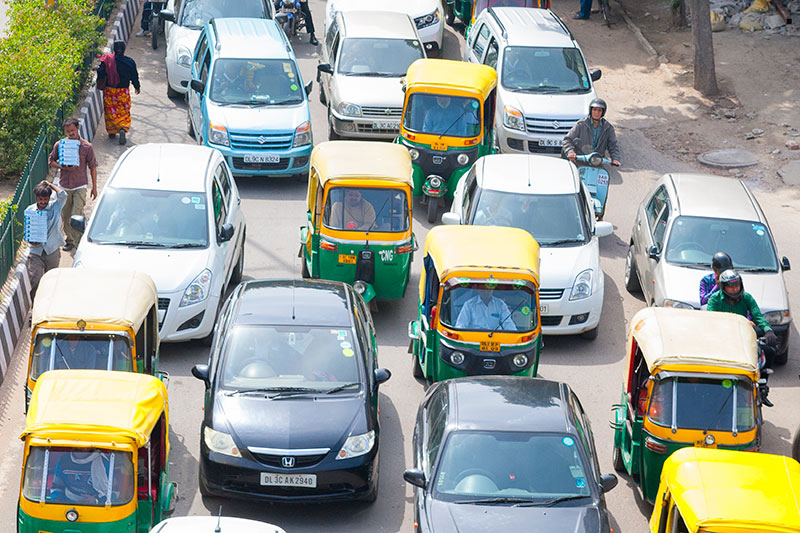
In January of this year, a Commission for Air Quality Management for Delhi NCR and Adjoining Areas (CAQM) assessment, prepared in collaboration with technical agencies, identified transport as an important contributor to the region’s air pollution burden. It also highlighted that compressed natural gas (CNG) vehicles “predominantly emit oxides of nitrogen, with comparatively lower particulate emissions.” This contradicted the historical impression of CNG as a uniformly clean fuel which lies behind Delhi NCR boasting one of the largest urban CNG fleets in the world.
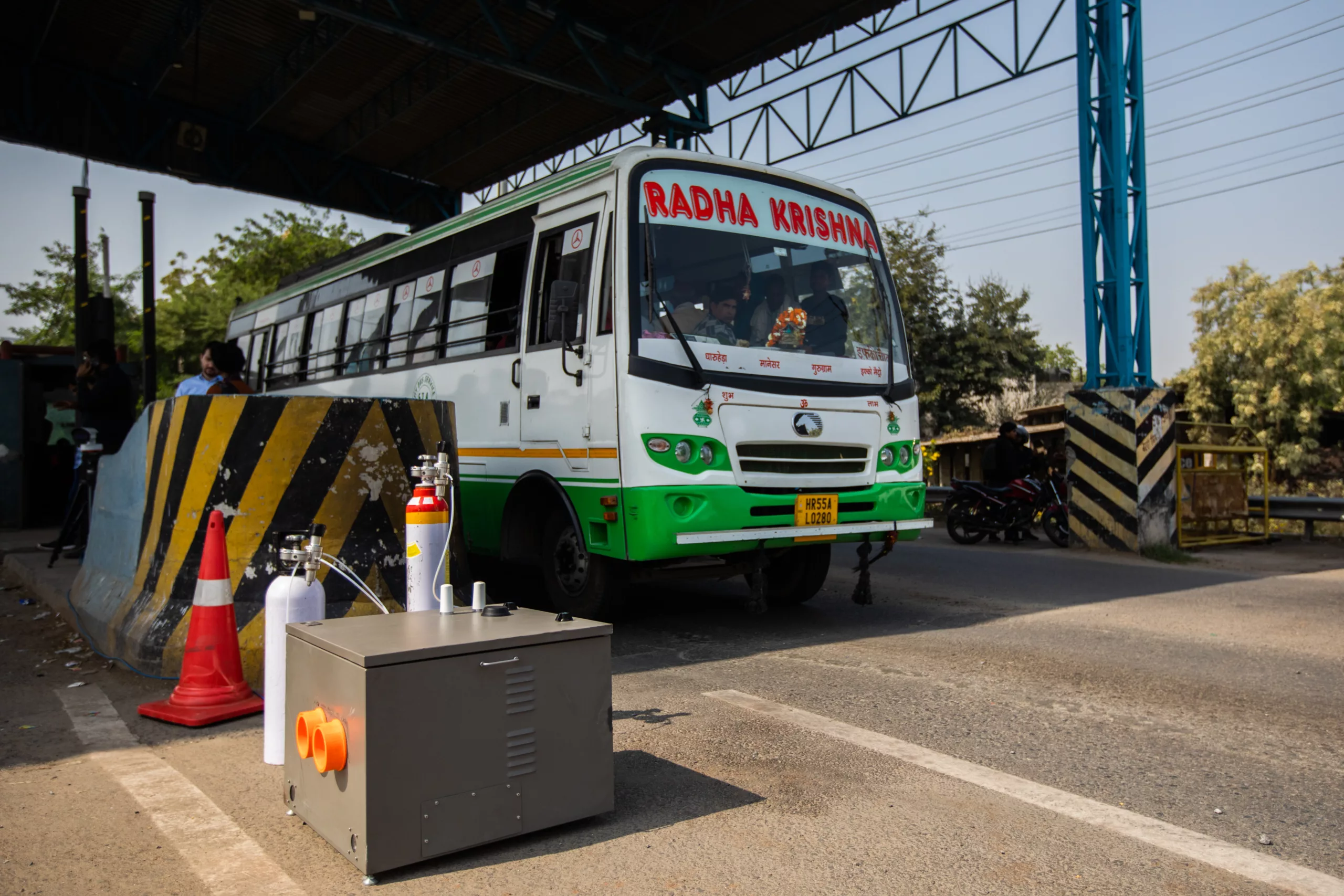
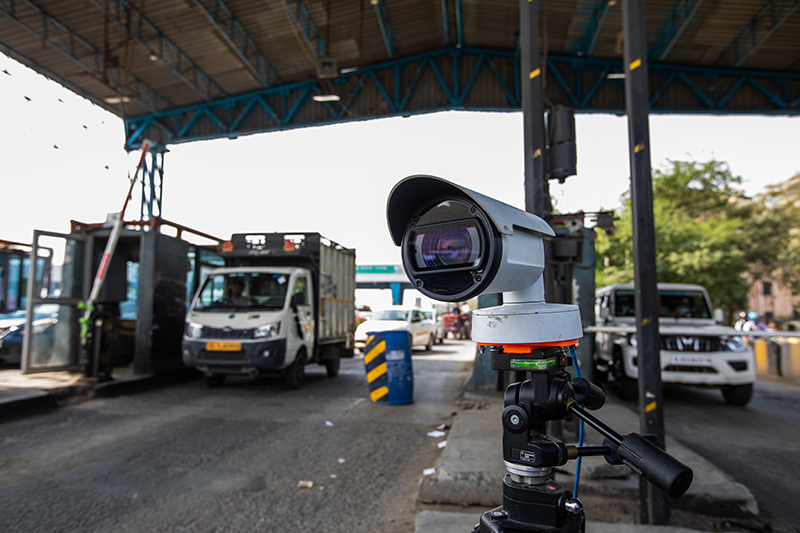
The 2024 TRUE study, however, revealed that real-world NOX emissions from the CNG fleet (even BS VI) were significantly high, ranging from 1.5 to 14 times greater than regulatory limits allow, with light commercial vehicles performing among the worst of the measured segments. Data from the campaign was shared with several government stakeholders, including CAQM, the Delhi Transport Department, the Ministry of Road Transport and Highways, and the Central Pollution Control Board, among others. The real-world evidence has moved the discussion regarding the cleanliness of CNG vehicles which increasingly acknowledges the need to address pollutant-specific emissions, especially NOx, by leveraging policy tools like supply-side ZEV mandates.
The study also reinforced the importance of accelerating the replacement of older vehicles with newer, cleaner technologies, as evidenced by significant emissions reductions. As India shifted from BS IV to BS VI, reductions in the bus fleet’s emissions ranged from around 85% to 95%, depending on fuel type and pollutant.
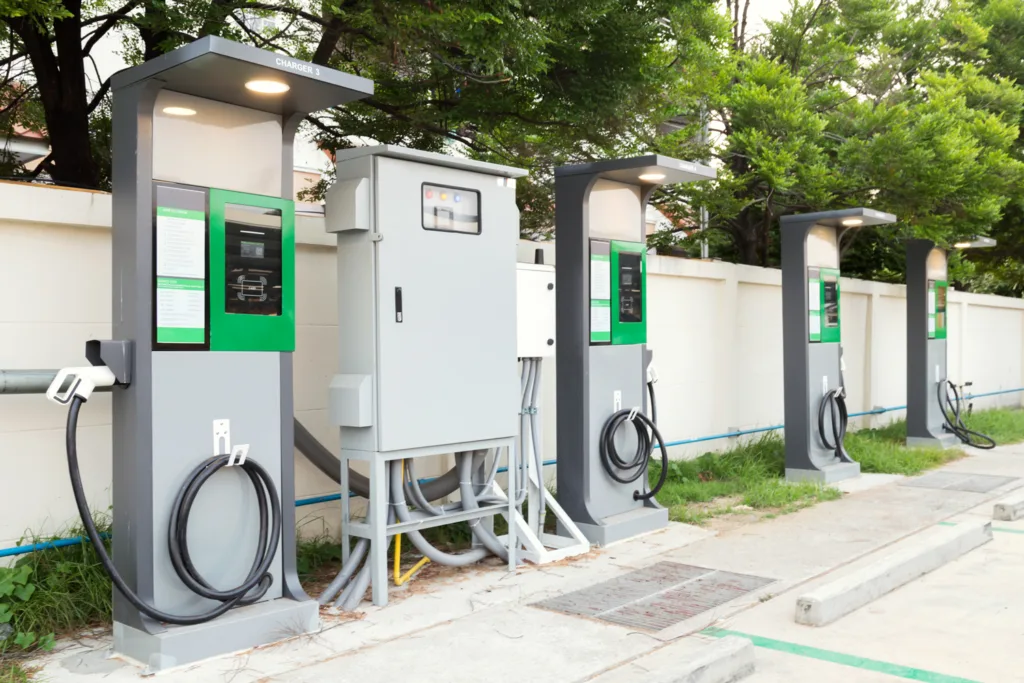
Given this context, the finalization of the Delhi Electric Vehicle Policy 2.0 early last week is a significant policy outcome as it introduces supply-side electric vehicle mandates for two-wheelers, three-wheelers, and light commercial vehicles, a major policy milestone in India. Its provisions reflect the recommendations of the TRUE Initiative study and mark an important step towards accelerating electrification in high-use urban vehicle segments.
“The proposed phase-out of new ICE-powered two- and three-wheelers could be a game changer in Delhi’s fight against air pollution,” said Amit Bhatt, India managing director at the International Council on Clean Transportation, TRUE’s technical partner. “These segments account for a large share of the city’s vehicle fleet, and accelerating their transition to zero-emission vehicles can significantly reduce vehicular emissions.”
In addition, another new policy was announced to incentivize the replacement of older trucks and buses registered in the Delhi-NCR. The policy encourages the replacement of BS IV and older vehicles with BS VI or stricter emission-compliant vehicles, and requires light goods vehicles purchased under the scheme in Delhi to be electric. These changes also align with the report’s recommendations and are an important step to improving air quality in the region. Automakers have already supported the new policy, signing memorandums of understanding to accelerate the transition.
The TRUE Initiative has launched a second round of remote sensing testing in two new Indian cities to further expand our measurement database and provide support for future policy development.