Central and Southern Johannesburg disproportionately exposed to vehicle emissions, new study finds
(Johannesburg, South Africa) July 13, 2026 — A new report by The Real World Urban Emissions (TRUE) Initiative reveals unequal exposure to vehicle emissions and air pollution across the city of Johannesburg, South Africa.
- Petrol passenger cars registered before 2006 made up 4% of the fleet but contributed up to 24% of the fleet’s measured emissions, including NOX, HC, CO, and PM
- Older petrol minibuses, accounting for 8% of the fleet, exhibited over 4 times higher average CO emissions than those registered after 2006; newer diesel minibuses emit up to 18 times higher PM emissions than petrol counterparts
- The newest diesel passenger cars and light commercial vehicles showed average NOX emissions 4 to 7 times higher than comparable vehicles in Europe.
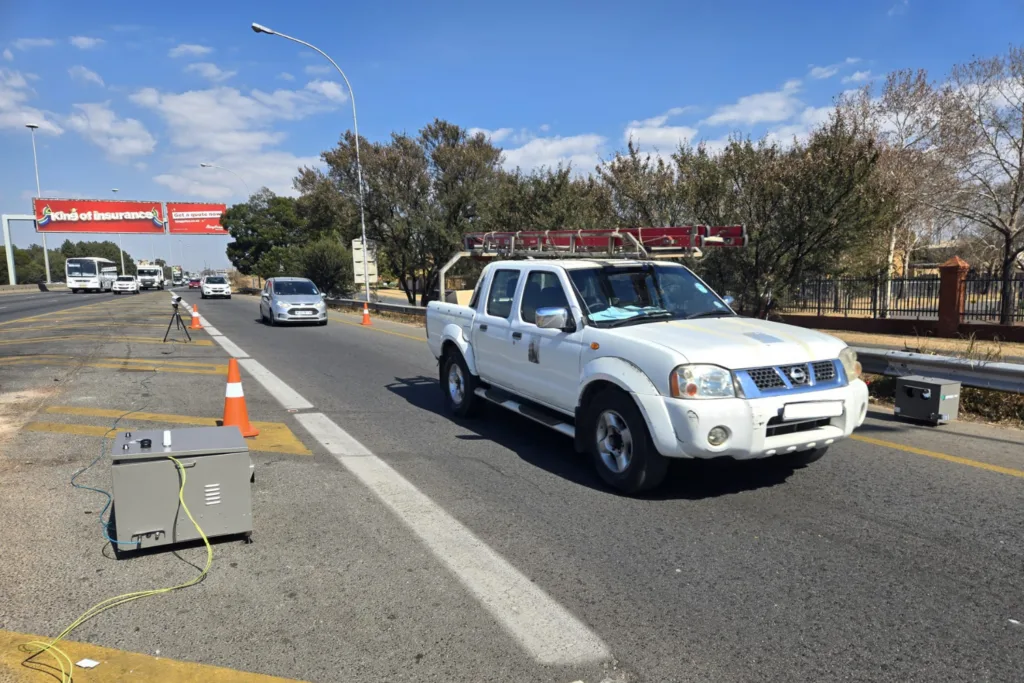
The TRUE Initiative conducted the first-ever real-world roadside remote sensing campaign in Africa, collecting more than 250,000 vehicle exhaust measurements in Johannesburg to provide a comprehensive picture of emissions from light- and heavy-duty vehicles across the region. This research is supported by Breathe Cities, a global initiative supporting cities to clean the air and protect public health.
Between July and September 2025, remote sensing technology situated at 11 different sites throughout the city captured the fleet’s emissions, including nitrogen oxides (NOX), hydrocarbon (HC), carbon monoxide (CO), ammonia (NH3), and smoke opacity via ultraviolet light absorption (a proxy for particulate matter).
Transportation related emissions are attributed to approximately 500 premature deaths and 200 new pediatric asthma cases within Johannesburg, and over 1,200 premature deaths and nearly 500 new pediatric asthma cases across the province, in 2024 alone. Residents of central and southern Johannesburg, who depend most heavily on public transit, face the highest vehicle emission exposure in the city.
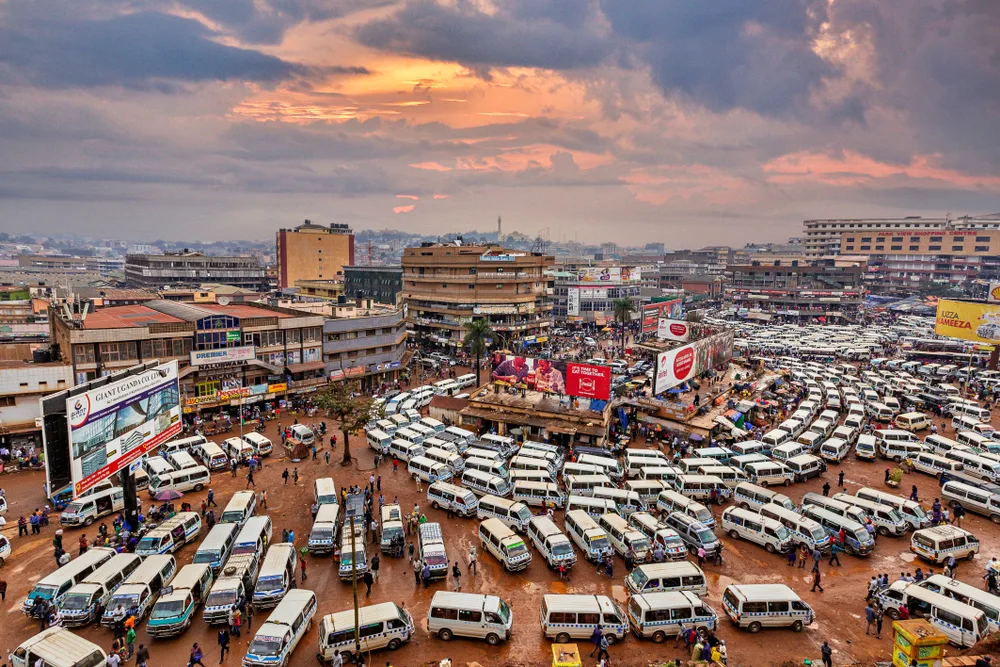
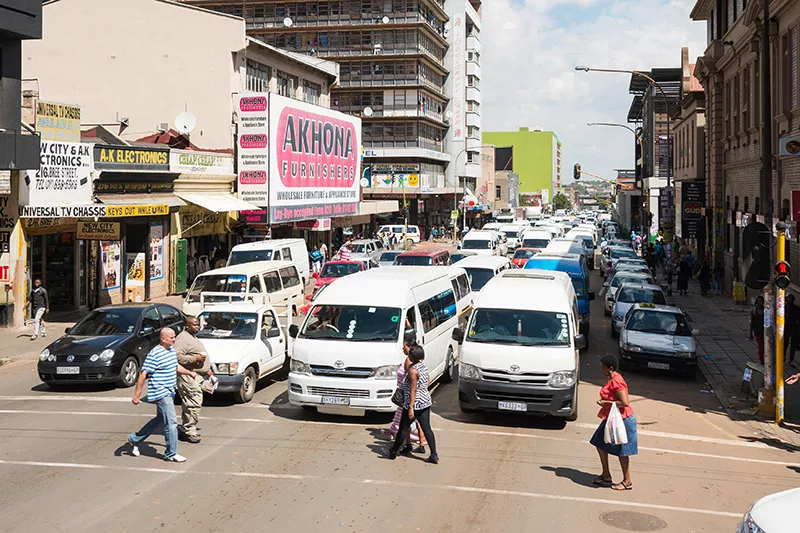
In these areas, minibus taxis accounted for 10% of the measured fleet, yet contributed 21%-40% total emissions, with particularly elevated CO and HC emissions.
The oldest vehicles, again a small portion of the overall fleet, showed the highest measured emissions: Petrol passenger cars registered before 2006 (4% of the fleet) contributed 12% of total NOX emissions, 21% of HC, 22% of CO, and 24% of PM emissions, while petrol-powered minibus taxis, also registered before 2006 (8% of the fleet), contributed 22% to 25% to the fleet’s total HC and CO emissions.
Diesel-powered minibuses exhibited PM and NOX emissions up to 18 and 44 times higher, respectively, than their petrol counterparts. The increasing popularity of these diesel-powered vehicles, which accounted for 98% of all new minibus taxi registrations in 2025, up from 7% in 2001, could carry significant health impacts for residents if left unchecked.
The report supports an existing recommendation by the City of Johannesburg in June of last year to utlize clean air zones (CAZs) as a key solution for a gradual and equitable transition to a cleaner transportation sector, particularly in the central and southern regions.
Further policy options also recommended by the TRUE initiative to reduce vehicle emissions include:
- Adopting Euro 6d/VI-D (European regulatory standards) for new vehicles would bring about significant emission reduction benefits and align South Africa with its major export markets.
- Expanding and enforcing Johannesburg’s existing vehicle inspection and maintenance (I&M) program and prioritizing large commercial fleets before extending requirements to private passenger cars.
- Adoption of electric minibus taxis to reduce emissions and lifetime operating costs for owners, accomplished through financing schemes to reduce upfront costs.
Nokuthula Dubazane, South Africa Portfolio Manager at Breathe Cities said: “This report gives Johannesburg the evidence it needs to act. The city has already proposed clean air zones as a key policy solution, and findings like these, showing exactly where emissions are highest and who bears the greatest burden, are what turn recommendations into targeted, effective policy. At Breathe Cities, we believe that cleaner air is achievable when cities have robust data to make informed decisions, and we hope this study accelerates that process in Johannesburg and across the continent.
Lebo Molefe, Director Air Quality and Climate Change at the City of Johannesburg, said: “The completion of the TRUE Initiative real-world vehicle emissions study marks a significant milestone for Johannesburg. By providing detailed insights into actual on-road vehicle emissions under local operating conditions, the study helps address a critical evidence gap that has historically constrained the development of targeted and effective interventions.
These findings will strengthen the City’s ability to work collaboratively with provincial and national government partners to develop evidence-based policies, strategies and programmes that reduce vehicle emissions, improve air quality and deliver healthier outcomes for our residents. Importantly, the study also provides a strong foundation for advancing initiatives such as clean air zones and other measures aimed at supporting a cleaner, more sustainable and equitable transport system for Johannesburg.”
Mallery Crowe, lead author and researcher at the ICCT, said: “This latest testing campaign has expanded our picture of vehicle emissions in Johannesburg and can help broaden our understanding of vehicle emissions across the larger region in Africa. We see that a small number of older vehicles emit a disproportionate amount, so targeted policies to quicken fleet turnover will be crucial to improve air quality.”
Boitemogelo Kwakwa, project leader at UJ PEETS, said: “Delivering Africa’s first real-world roadside vehicle emissions remote sensing campaign is a significant milestone for both South Africa and the continent. As the local implementation partner, UJ PEETS played a key role in delivering the study on the ground while developing local expertise in this cutting-edge emissions monitoring technology. Our vision is to build on this success by replicating similar campaigns across South Africa, enabling cities and government to access robust, locally generated evidence that can accelerate cleaner transport policies, improve air quality, and protect public health.
Sheila Watson, deputy director of the FIA Foundation, said: “The TRUE Initiative has shown the shockingly high emissions of vehicles on Johannesburg’s streets. Hundreds of the city’s residents are sicker or dying each year because of dirty air, to which road vehicles are a major contributing factor. Real-world data such as this in Johannesburg is vital to understand, and then address a public health crisis. These findings point to the need for urgent action, not only to clean up the city’s air but to protect the health and lives of its residents.”
Media Contact
Sarina Katz
Senior Communications Specialist, International Council on Clean Transportation
About The Real Urban Emissions Initiative
The Real Urban Emissions (TRUE) Initiative supports cities worldwide to develop effective air quality and climate policies with independent real-world vehicle emissions data, technical analysis, and expert advice. The FIA Foundation and International Council on Clean Transportation established the TRUE Initiative.
About the International Council on Clean Transportation
The International Council on Clean Transportation (ICCT) is an independent research organization providing first-rate, unbiased research and technical and scientific analysis to environmental regulators. Our mission is to improve the environmental performance and energy efficiency of road, marine, and air transportation, in order to benefit public health and mitigate climate change. Founded in 2001, we are a nonprofit organization working under grants and contracts from private foundations and public institutions.
About the FIA Foundation
The FIA Foundation is an independent UK registered charity which supports an international programme of activities promoting safe roads, clean air and climate action.
About Breathe Cities
Breathe Cities is a global initiative supporting cities to clean the air and enhance public health. Delivered by Bloomberg Philanthropies, Clean Air Fund and C40 Cities, the initiative offers cities tools to take ambitious clean air action by expanding access to data and raising public awareness. Launched in 2023 by Michael R. Bloomberg, the UN Secretary-General’s Special Envoy on Climate Ambition and Solutions and founder of Bloomberg Philanthropies, and Sadiq Khan, Mayor of London and C40 Cities Co-Chair, Breathe Cities is accelerating action in 16 cities to improve the air more than 88 million people breathe. To learn more, visit Breathe Cities’ website or follow on Instagram and LinkedIn.