Symposium highlights fleetwide emissions data to policymakers in São Paulo
Findings from the latest TRUE report analyzing real-world emissions in São Paulo, Brazil were highlighted at an in-person symposium in the capital city.
Vehicular emissions are the largest contributor to air pollution in the São Paulo Metropolitan Area and this latest TRUE report, launched ahead of COP30 in Belém, was particularly timely.
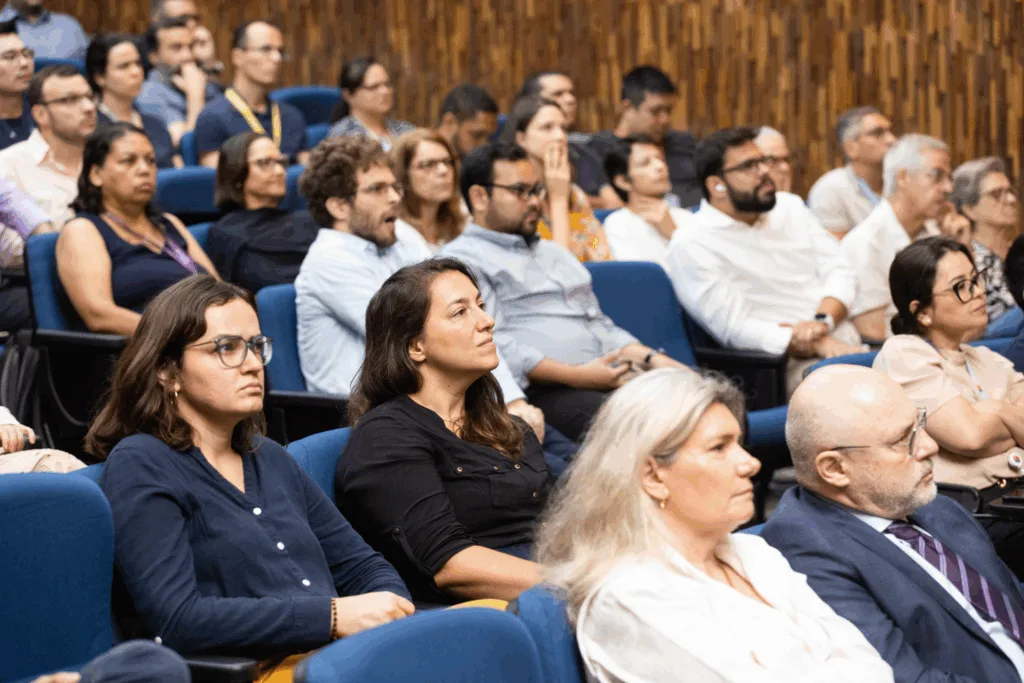
Policymakers, as well as representatives from industry and NGOs across the region, had the opportunity to dive deeper into the data and recommendations of the report during the event hosted by the campaign’s local partner CETESB (Environmental Company of the State of São Paulo) and ICCT Brazil, TRUE’s technical partner.
Speakers throughout the day underscored the importance of evidence-based studies for the development of effective public policies.
Outlining a vision for São Paulo’s fleet
Marcel Martin, ICCT Brazil’s Managing Director, and Maria Helena Martins, CETESB’s Director of Environmental Quality, opened the session and welcomed participants by offering insights into the current transportation landscape across the city and state.
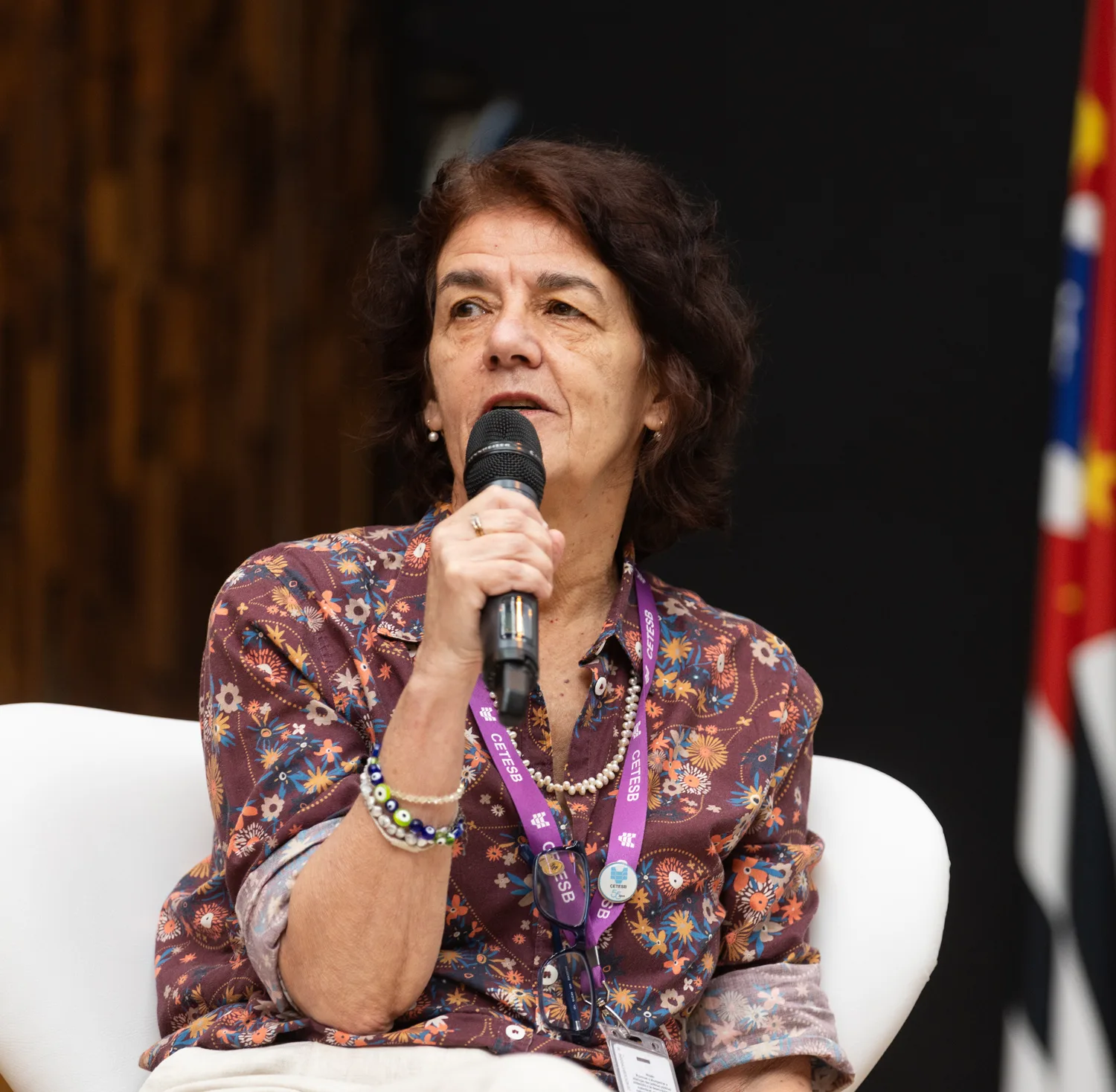
“The TRUE study is highly significant, as it introduces an innovative measurement approach that allows us to understand the actual emissions of vehicles in use, rather than those measured under test conditions,” said Maria Helena. “This can help both public authorities and society take informed actions to reduce pollution and guide our collective efforts toward a better quality of life.”
While offering his opening remarks, José Renato Nalini, Executive Secretary for Climate Change at the City of Sao Paulo, said, “Government, society, and technical institutions need to work together to reduce the impact of traffic on the quality of life in the city of São Paulo. Evidence-based studies are essential to inform and guide public policy development.”
Real-world application
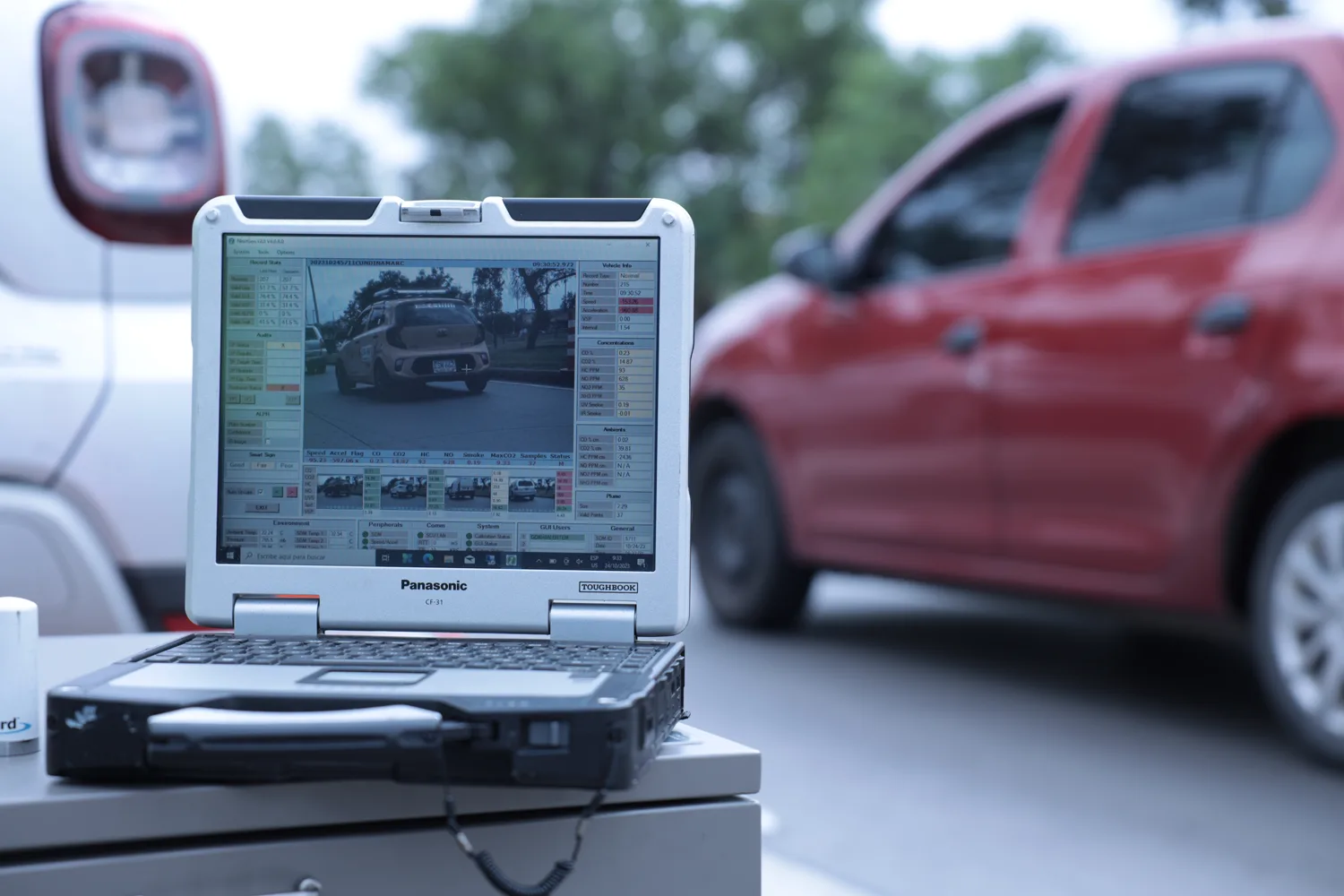
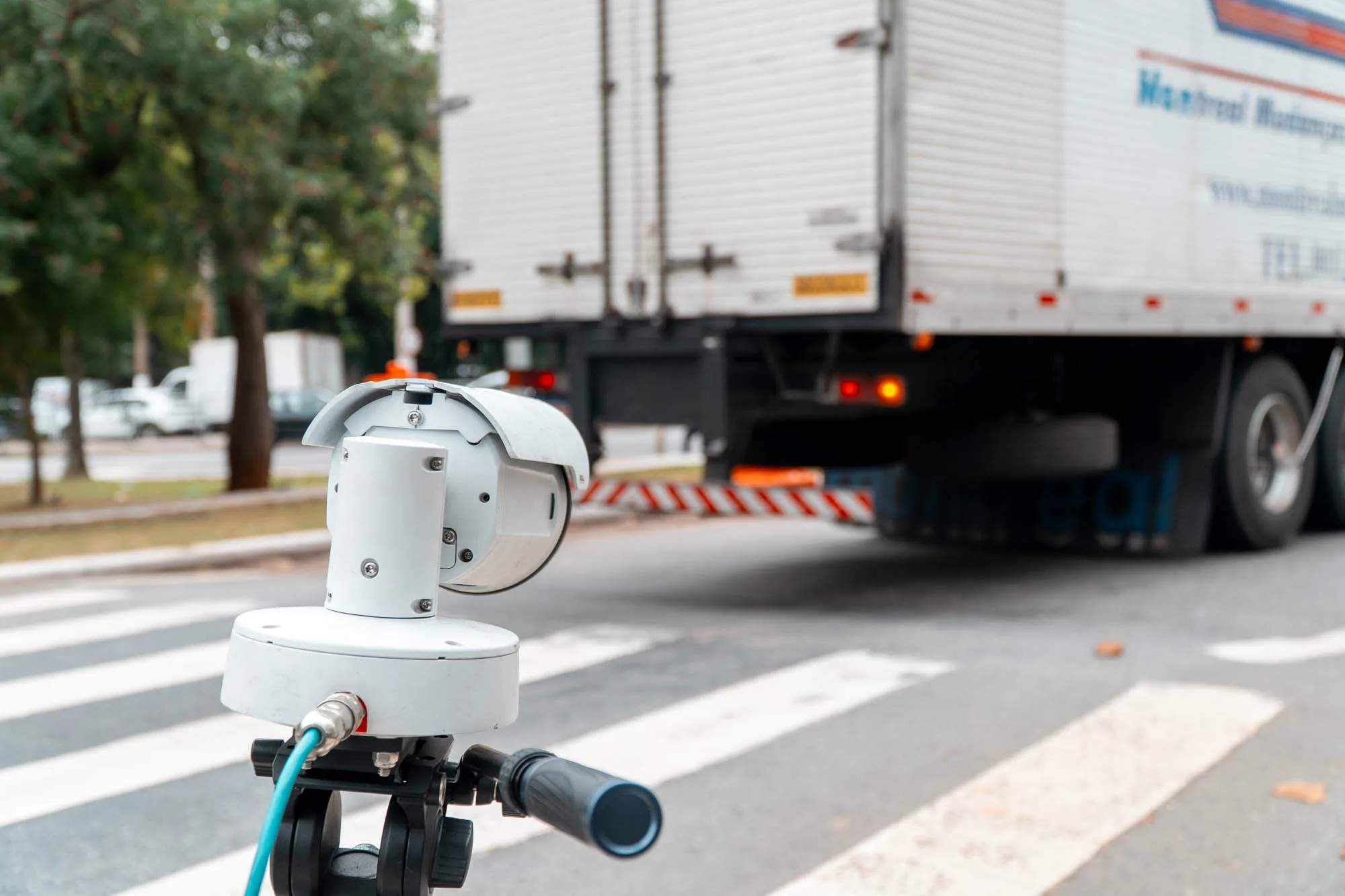
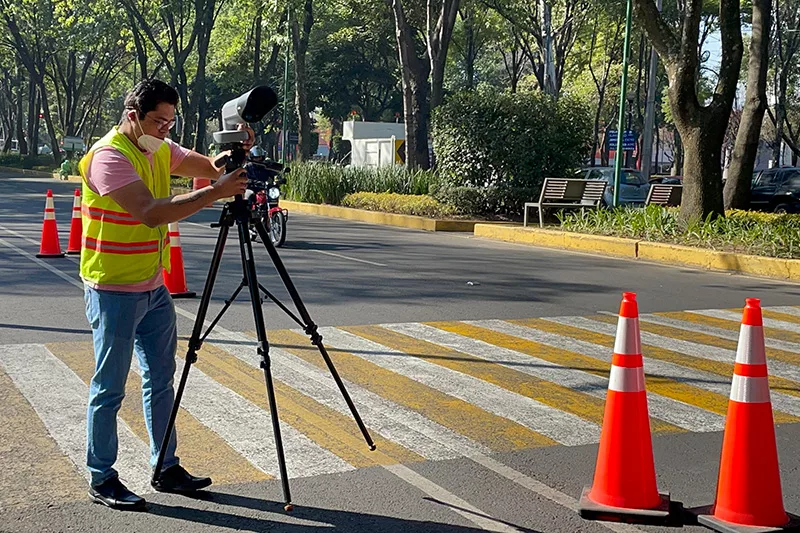
Opening the presentation of data and campaign results, CETESB was represented by Marcelo Bales, Manager of the Vehicle Emissions Assessment Department, Carlos Lacava, Manager of the Mobile Emissions Department, and Paula Lopes, Environmental Analyst. They overviewed remote-sensing methodologies, the latest fleet inventory for the state of São Paulo, and provided technical details of the technology used in the São Paulo TRUE campaign. They also detailed characteristics of the fleet sampled during testing.
To introduce the TRUE Initiative to the audience, Ana Beatriz Rebouças, researcher at ICCT Brazil and co-author of the report, presented on TRUE’s past experiences in cities around the world, including Delhi, Kampala, and New York City. She then went on to highlight the main findings from the São Paulo campaign and overview key recommendations to reduce fleetwide emissions.
“We observe greater deterioration in high-use vehicles such as ride-hailing cars and taxis due to the intensity of their operation, which may also indicate inadequate maintenance of emission-control systems. This makes these fleets a key priority for the adoption of cleaner technologies,” said Ana Beatriz.
Recommendations from the research include implementing a vehicle inspection and maintenance program, accelerating fleet renewal, introducing new phases of the PROCONVE program and promoting electrification of high-use fleets.

The event also featured a fireside chat moderated by Maria de Fátima Andrade, professor at the Department of Atmospheric Sciences at the Institute of Astronomy, Geophysics, and Atmospheric Sciences (IAG–USP). During the discussion, representatives from ICCT and CETESB further explored the study’s findings.
Maria Helena Martins wrapped up the event with a clear message about the next steps: “We’re now going to take a deeper dive into these data. They will undoubtedly guide more assertive and effective actions to improve air quality and control pollution — which is, ultimately, the shared goal of everyone here.”
Simpósio discute emissões reais da frota na região metropolitana de São Paulo